

How to Style a Chestnut Brown Jacket: Six Ways to Wear It
Most wardrobes begin in navy, move to grey and stop there. Chestnut brown is the jacket that should come next. It changes with the season, sits happily against blue, cream, green and denim, and in a textured cloth it does something a flat blazer never will. Here are six ways to wear it.
Enter our prize draw to win four style guides and £500 to spend
Shop the Video
 Chestnut-Brown Hopsack Wool Blend Jacket
£1,445
Chestnut-Brown Hopsack Wool Blend Jacket
£1,445
 Navy & Burgundy Cross Medallion Madder Silk Tie
£195
Navy & Burgundy Cross Medallion Madder Silk Tie
£195
 A Sunday on La Grande Jatte by Georges Seurat Pocket Square
£95
A Sunday on La Grande Jatte by Georges Seurat Pocket Square
£95
 Ecru Knitted Wool-Cashmere Blend Tie
£175
Ecru Knitted Wool-Cashmere Blend Tie
£175
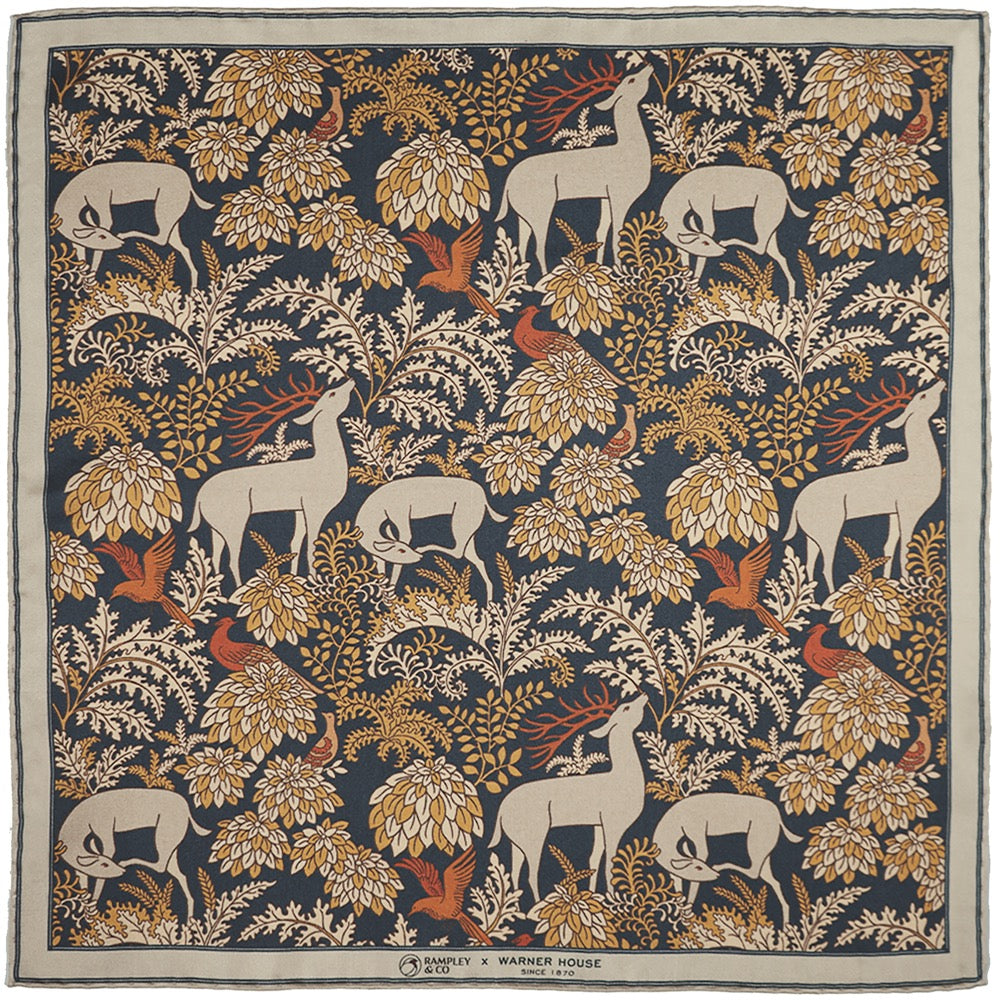 Balmoral, Navy Pocket Square
£95
Balmoral, Navy Pocket Square
£95
 Copper & Oxford Blue Stripe Silk Tie
£165
Copper & Oxford Blue Stripe Silk Tie
£165
 Rust & Blue Paisley Madder Silk Pocket Square
£110
Rust & Blue Paisley Madder Silk Pocket Square
£110
 View from Vaekero near Christiania by Johan Christian Dahl Pocket Square
£95
View from Vaekero near Christiania by Johan Christian Dahl Pocket Square
£95
 Bottle Green Sea Island Cotton Crew Neck Jumper
£220
Bottle Green Sea Island Cotton Crew Neck Jumper
£220
 Rust & Teal Geometric Bandana
£155
Rust & Teal Geometric Bandana
£155
 Navy Extra-Fine Merino Wool Polo Shirt
£260
Navy Extra-Fine Merino Wool Polo Shirt
£260
 The Boulevard Montmartre at Night Pocket Square
£90
The Boulevard Montmartre at Night Pocket Square
£90
 Burgundy & Navy Diamond Repeat Silk Tie
£195
Burgundy & Navy Diamond Repeat Silk Tie
£195
 Smoky-Blue & Amber Paisley Madder Silk Pocket Square
£110
Smoky-Blue & Amber Paisley Madder Silk Pocket Square
£110
For more styling tutorials subscribe to our channel
Subscribe to Our ChannelWhere it sits in the wardrobe
Why Chestnut Brown Should Be Your Third Sports Jacket
The sensible order for building a tailored wardrobe starts with blue and grey. A navy blazer first, since it goes everywhere and asks nothing of you. A grey jacket second, for the days when navy feels too much like a uniform. After that the field opens up, and this is where most people hesitate. They buy a second navy jacket in a slightly different weave and wonder why the wardrobe still feels thin.
Chestnut brown is the answer to that problem. It is warm enough to read as autumn and winter cloth, light enough in tone to carry through spring, and it sits against a wider spread of colours than either of the blues you already own. Every blue shirt in your cupboard works with it. So does cream, so does green, so does grey flannel, so does denim in both its pale and dark forms. You are buying one jacket and unlocking most of what is already hanging next to it. Here is the same jacket worn six ways.
Look one
How to Wear a Chestnut Jacket with a Tie for Business Casual

This is the look for offices where the tie has survived but the suit has not. A butcher stripe shirt in sky blue and white, a navy and burgundy cross medallion madder silk tie, mid grey flannels and suede shoes. The burgundy in the medallion picks up the warm notes in the jacket without matching them exactly, which is the difference between a pairing and a set.
The pocket square is a printed Seurat, folded with some flamboyance, and the contrast is deliberate: a restrained tie against a more expressive square. Reverse that arrangement and the chest becomes busy and unsettled. This sits at the upper end of business casual and will carry a working day without ever looking like you tried to wear a suit and lost your nerve.
Cloth and construction
Why Texture Matters More in Brown Than in Navy

Navy survives being flat. A smooth worsted navy blazer looks perfectly correct, if slightly dull, and nobody complains. Brown does not have that luxury. Give brown a single dead tone with no movement in it and the colour turns muddy and cheap-looking under electric light. Give it texture, a mélange of warm and cool threads, a weave with air in it, and the same colour becomes the most interesting thing in the room.
Navy can be flat and still look correct. Brown has to earn its keep with texture.
The jacket here is a hopsack in 75% wool, 15% silk and 10% linen at 280g. Hopsack is a basket weave, which means the yarns are grouped in pairs rather than sitting one over one, and the result is a slightly open, nubbly surface that catches light unevenly. The silk adds a faint lustre. The linen adds the irregular slubs that stop the cloth reading as uniform. At 280g it is a medium weight, which in practice means a three-season jacket: enough substance to hang properly and hold a shoulder line, enough openness to breathe when the day warms up. The same jacket in a 350g flannel would be locked into November through February.
The detailing does the rest of the work. A peak lapel is the dressier of the two lapel shapes and normally belongs on a double-breasted jacket or a dinner jacket. Patch pockets are the most casual pocket treatment there is, applied to the outside of the jacket rather than set into the body. Putting the two together on the same garment is the mix of registers that makes a jacket properly useful. It dresses up with a tie and grey flannels. It dresses down with jeans and a polo shirt. Neither direction looks like a compromise.
Texture also decides what you put against it. Madder silk, with its matte chalky surface and softly muted palette, sits far more comfortably on a hopsack jacket than a high-shine twill, which is why madder turns up twice across these six looks. Knitted wool and cashmere ties belong in the same conversation, since their open, rougher surface answers the weave rather than fighting it. Save the crisp, lustrous silks for smooth worsted tailoring, where they have something to contrast against.
Look two
How to Style a Chestnut Jacket for the Country

Doing business outside the city calls for a change of register, and the adjustment happens mostly at the collar and the cuff. A plain blue point collar with a button cuff shifts the whole outfit half a step down without losing any of its structure. The tie is an ecru knitted wool-cashmere blend tie, and the ecru shade is doing real work: a darker tie here would leave the eye nothing to settle on. The Balmoral navy square stays deliberately plain, since the knitted tie already supplies the texture.
The trousers are cream corduroy, which is the country equivalent of grey flannel. From there the full picture writes itself: country brogues rather than town shoes, a wax jacket over the top when the weather turns, and a flat cap if you are the sort of person who suits one.
Look three
Can You Wear a Brown Jacket to an Autumn Wedding?

Yes, and it is a better answer than the navy suit every other guest will be wearing. The trick is to sharpen everything around the jacket rather than soften it. The long point collar in pale yellow is the detail that makes it: yellow and chestnut are neighbours on the colour wheel, so the shirt reads as a lighter extension of the jacket and warms the whole outfit. The copper and Oxford blue stripe silk tie is bold enough to carry across a marquee, and the rust and blue paisley madder silk pocket square takes the conservative role, collecting the rust of the jacket, the petrol blue of the stripe and the cream of the shirt in one object.
The trousers finish the argument. A fuller cut in cream gabardine with a deep turn-up brings weight and drape to the bottom of the outfit, which is what stops a jacket and trousers reading as separates that met by accident. Highly polished antiqued shoes underneath. Dressed for an occasion without reaching for morning dress.
The accessories
Shop the Ties, Pocket Squares and Bandanas
Navy & Burgundy Cross Medallion Madder Silk Tie
£195
A Sunday on La Grande Jatte by Georges Seurat Pocket Square
£95
Ecru Knitted Wool-Cashmere Blend Tie
£175
Balmoral, Navy Pocket Square
£95
Copper & Oxford Blue Stripe Silk Tie
£165
Rust & Blue Paisley Madder Silk Pocket Square
£110
View from Vaekero near Christiania by Johan Christian Dahl Pocket Square
£95
Rust & Teal Geometric Bandana
£155
The Boulevard Montmartre at Night Pocket Square
£90
Burgundy & Navy Diamond Repeat Silk Tie
£195
Smoky-Blue & Amber Paisley Madder Silk Pocket Square
£110
Look four
How to Wear a Chestnut Jacket with a Chambray Shirt

The chambray shirt is the most useful thing you can own if you wear tailoring without a tie. It dresses down a formal suit and adds another texture to a sports jacket, and against chestnut it is particularly good: the mid blue of the denim shade and the warm brown of the cloth are close to complementary, which is why the pairing looks resolved rather than merely acceptable.
With no tie in the outfit, the Dahl landscape square becomes the only decorative element at the chest, so its muted blues and greens serve better than something louder would. Dark wash denim here, straight cut and slightly higher in the waist, with brown suede chukka boots. Mid grey flannel and the same shoe is the more traditional reading and every bit as good.
Look five
How to Wear Knitwear Under a Sports Jacket

Knitwear under tailoring usually gets treated as a layering piece. It works just as well as an underpinning piece, worn next to the skin with nothing beneath it, which gives a much cleaner line at the neck and across the chest. Fine gauge is what makes it possible, and the bottle green Sea Island cotton crew neck jumper is built for it, the long staple of the cotton spinning into a yarn smooth enough to wear against bare skin. Bottle green against chestnut is one of the quiet great pairings, both earth tones, neither competing. There is more on the fabric in our guide to how to wear a Sea Island cotton crew neck jumper.
If you dislike a jacket collar against bare skin, a bandana solves it completely.
The objection to crew necks under tailoring comes up every time: some people dislike the collar sitting against the neck in warm weather and worry about marking the cloth. The rust and teal geometric bandana keeps the collar off the skin and gathers the cream, green and tobacco notes of the outfit in one place. Cream jeans in a slim cut underneath, picking up the background shade of the bandana, with dark brown Chelsea boots.
Look six
How to Wear a Chestnut Jacket for Dinner and Drinks

The last look is the easiest to wear and the one most likely to get used. A navy extra-fine merino wool polo shirt buttoned to the neck gives a clean, modern line under a jacket, with no collar points to arrange and no tie to think about. Navy against chestnut always works, dark against warm, and the merino has enough substance to look deliberate where a thin jersey polo would look like an afterthought.
Dinner, a hotel bar, Sunday lunch that runs long. It reads as more effort than it takes, which is the useful quality in anything you reach for at the end of a working day. The Boulevard Montmartre at Night pocket square keeps the chest from going flat. Dark jeans with a straight leg and simple loafers is the version shown, though tailored trousers work equally well. This is also the least seasonal of the six, which means it is how most people will end up wearing the jacket for most of the year.
Building around it
What Trousers and Shoes to Wear with a Chestnut Brown Jacket
Six looks across six trouser choices is the point being made here, and it is worth setting them out plainly. Mid grey flannel is the default and the best all-rounder, working with chestnut as happily as it works with navy. Cream, in gabardine for formality or corduroy for the country, lightens the whole outfit and suits spring and early autumn. Navy gives the sharpest contrast and the most urban result. Corduroy, whipcord and cavalry twill all bring their own texture, and the firmer, harder-wearing cloths with visible diagonal weave suit a textured jacket particularly well. Denim covers both ends: cream or ecru for something softer, dark indigo for the evening. The colour to steer clear of is anything close to the jacket itself, since brown on brown tends to look like a suit that has gone wrong.
Shoes follow the trousers. Suede is the natural partner for chestnut, since the nap of the leather and the nubble of the hopsack belong to the same family. Brown suede chukka boots with grey flannel, country brogues with cord, dark brown Chelsea boots with cream jeans, and simple loafers with dark denim will cover every look in this post. For the wedding, a polished antiqued calf shoe raises the formality to match the occasion. Black shoes are the one thing to leave alone here, since a warm brown cloth and a black shoe never quite agree.
If you want to go further into how brown behaves as a colour across a wardrobe, our piece on why brown is the most underrated colour in tailoring covers the wider case, and our guide to classic tie and pocket square combinations for a brown jacket goes deeper on the accessories.
Frequently Asked Questions
Your Questions Answered
What colour trousers go with a chestnut brown jacket?
Mid grey flannel is the most reliable choice and the place to start. Cream works beautifully in gabardine for smarter occasions and in corduroy for the country. Navy gives the strongest contrast. Whipcord and cavalry twill add texture that suits a hopsack jacket, and denim covers both directions: cream or ecru for a lighter look, dark indigo for the evening. The colour to avoid is anything close to the jacket itself, since brown on brown tends to look like a suit that has gone wrong.
What shirt colours work with a brown sports jacket?
Blue in almost any form is the safest and most useful answer: plain sky blue, blue and white butcher stripe, and chambray all sit well against chestnut. Cream and pale yellow warm the outfit and work particularly well for occasions, since they are close to brown on the colour wheel and read as an extension of the jacket. White is correct but slightly stark against a warm cloth. Green shirts are worth trying if you like them, since green and brown are natural neighbours.
Can you wear a brown jacket to a wedding?
Yes, particularly an autumn or country wedding where the season suits the colour. The way to make it work is to raise the formality of everything around the jacket: a long point collar shirt in cream or pale yellow, a bold stripe silk tie, a pocket square that draws the colours together, fuller cut trousers in cream gabardine with a deep turn-up, and polished shoes. Check the dress code first, since a black tie or morning dress invitation rules it out.
What is hopsack cloth and why does it suit a brown jacket?
Hopsack is a basket weave in which yarns are grouped in pairs rather than crossing singly, producing an open, slightly nubbly surface. That texture matters more in brown than in navy or grey, because flat brown cloth can look dull under artificial light while a textured brown catches the light unevenly and stays interesting. The jacket in this video is a hopsack in 75% wool, 15% silk and 10% linen at 280g, which makes it a three-season weight.
Can you wear a crew neck jumper under a tailored jacket?
Yes, and it works best in a fine gauge worn next to the skin rather than over a shirt, which keeps the line clean at the neck and avoids bulk under the jacket. Sea Island cotton is well suited to this because the long staple spins into a smooth yarn that is comfortable against bare skin. If you dislike a jacket collar touching your neck, wear a bandana at the throat: it keeps the cloth off the skin and adds a colour that can tie the outfit together.
Should a brown jacket be your first or second sports jacket?
Third, in most cases. A navy blazer first, because it goes everywhere. A grey jacket second, for variety within the same formal register. Chestnut brown third, because it opens up colours the first two cannot reach and works across more of the year than either. If your working life is informal enough that you rarely wear a suit, you could reasonably move it up to second.
To view the full collection click on the buttons below.