

Black Suit Combinations
The black suit is bought by more people and worn well by fewer than almost any other garment in tailoring. The colour reads as easy: neutral, goes with everything, hard to get wrong. That is precisely where the trouble starts. Black is none of those things. It is demanding, unforgiving of poor cloth and poor fit, and particular about what it will sit next to. Get those things right and it is one of the most striking things in a man's wardrobe. Get them wrong and it looks like a uniform.
Shop the Edit
 Midnight Blue Knitted Wool-Cashmere Blend Tie
£155
Midnight Blue Knitted Wool-Cashmere Blend Tie
£155
 Oxblood Knitted Wool-Cashmere Blend Tie
£155
Oxblood Knitted Wool-Cashmere Blend Tie
£155
 Claret & Steel Grey Stripe Silk Tie
£155
Claret & Steel Grey Stripe Silk Tie
£155
 Burgundy & White Stripe Shantung Silk Tie
£155
Burgundy & White Stripe Shantung Silk Tie
£155
 Navy & Burgundy Medallion Madder Silk Tie
£155
Navy & Burgundy Medallion Madder Silk Tie
£155
 Plum & Tan Floral Grenadine Tie
 Grey Shantung Silk Tie
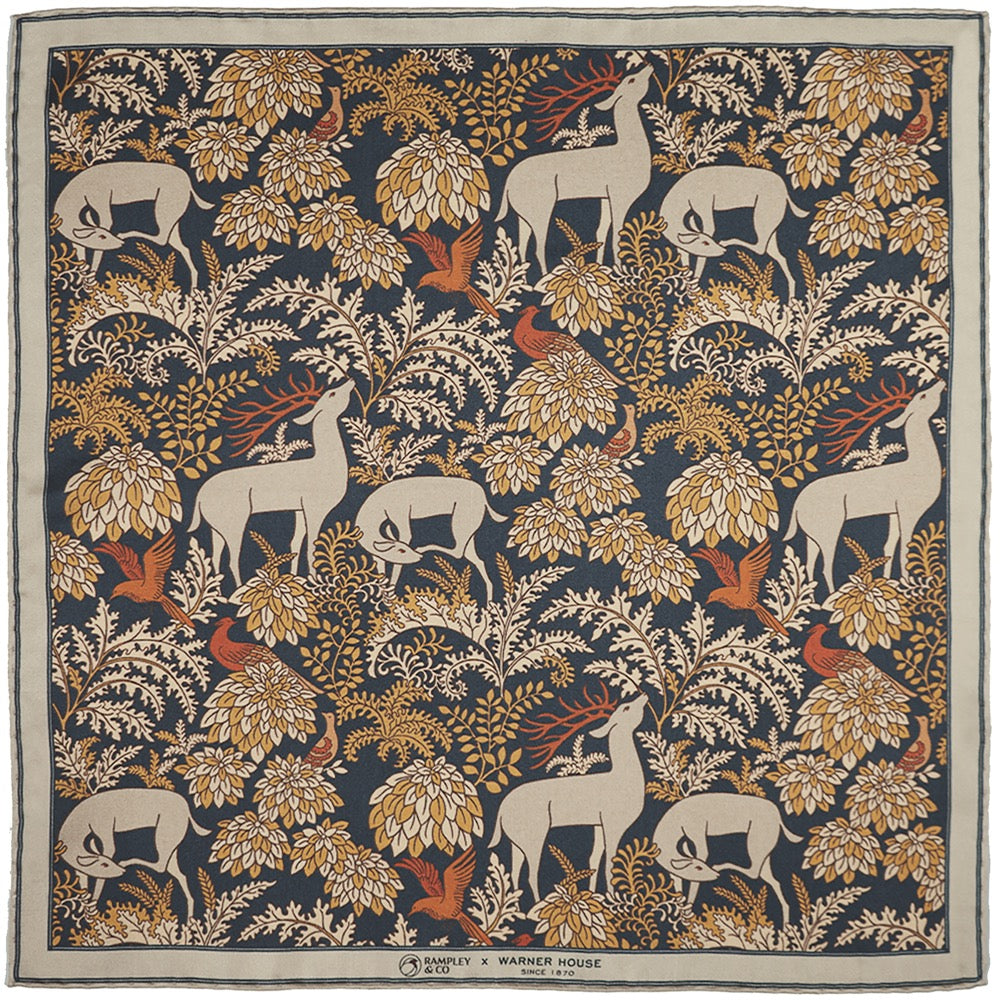 Balmoral, Navy Pocket Square
£95
Balmoral, Navy Pocket Square
£95
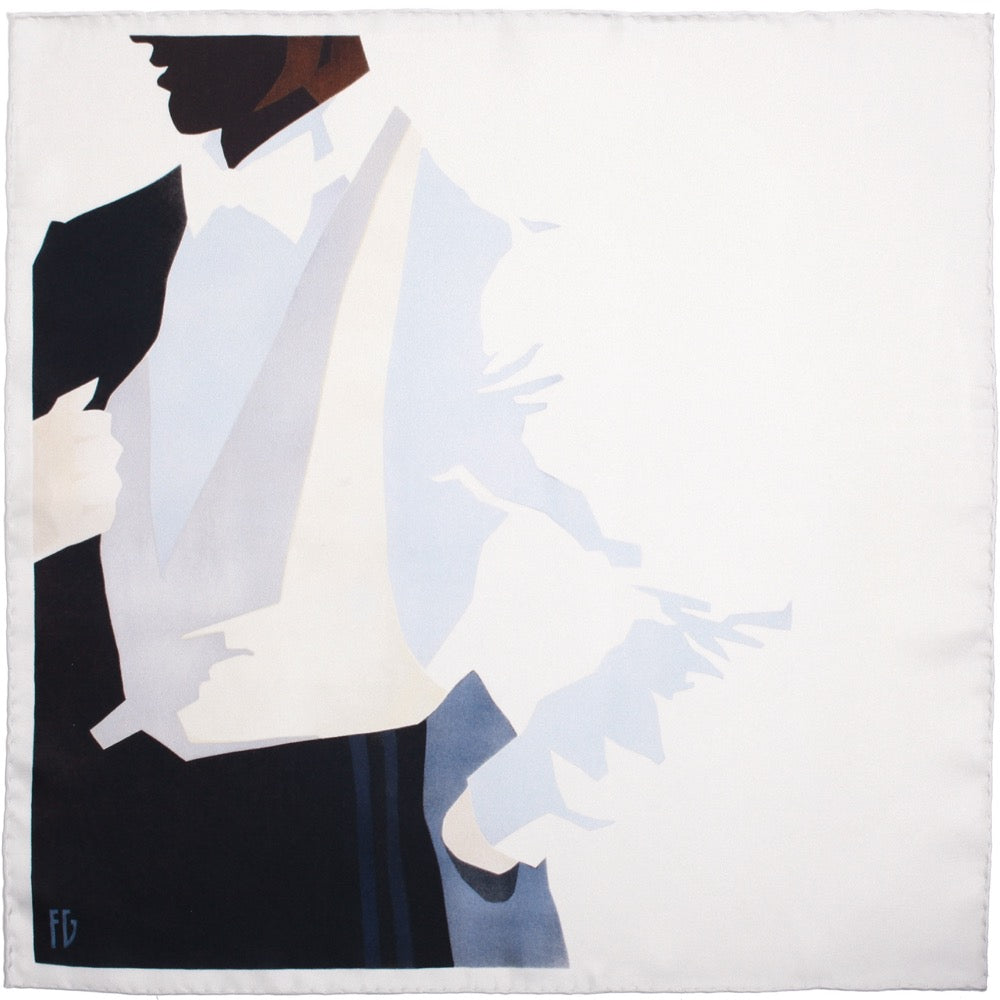 'La Cérémonie' Pocket Square
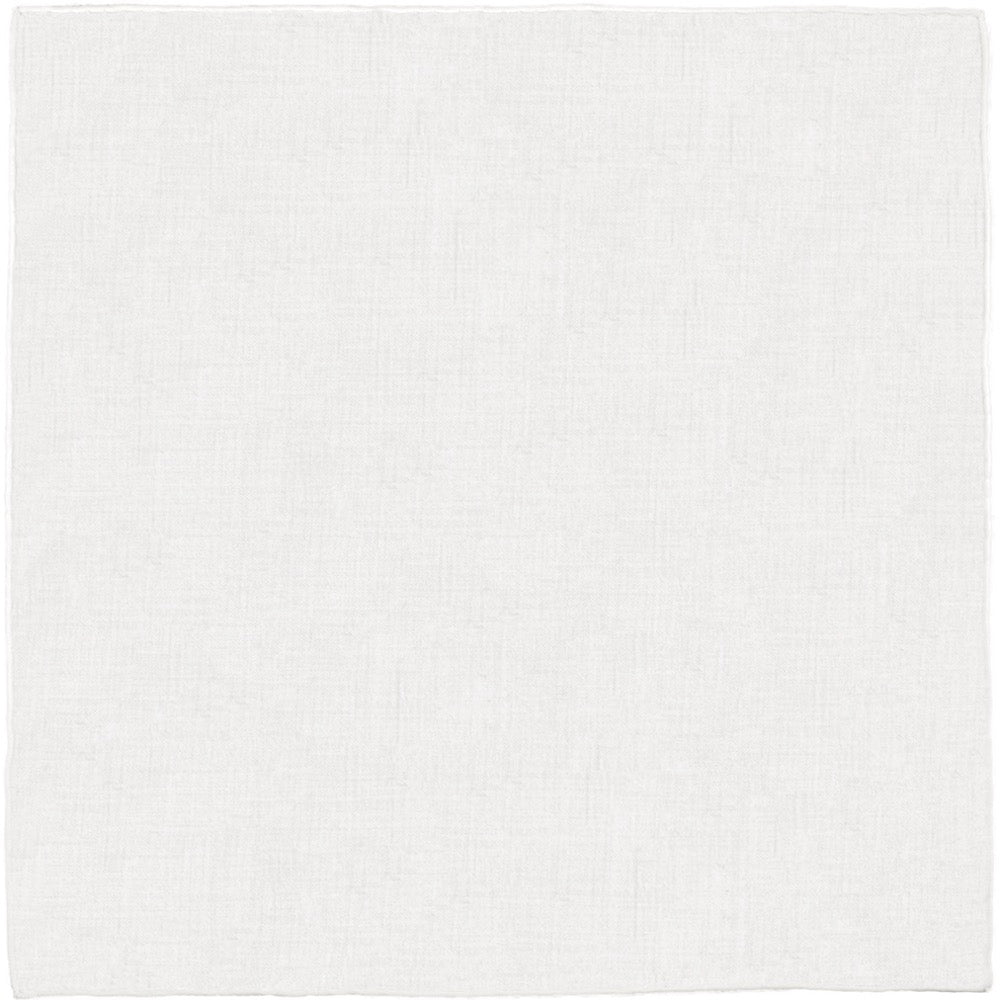 Ivory Wool-Cashmere Blend Pocket Square
 Classic Grosgrain Bow Tie
£175
Classic Grosgrain Bow Tie
£175
 Batwing Silk Bow Tie
£175
Batwing Silk Bow Tie
£175
 Black Velvet Jacket
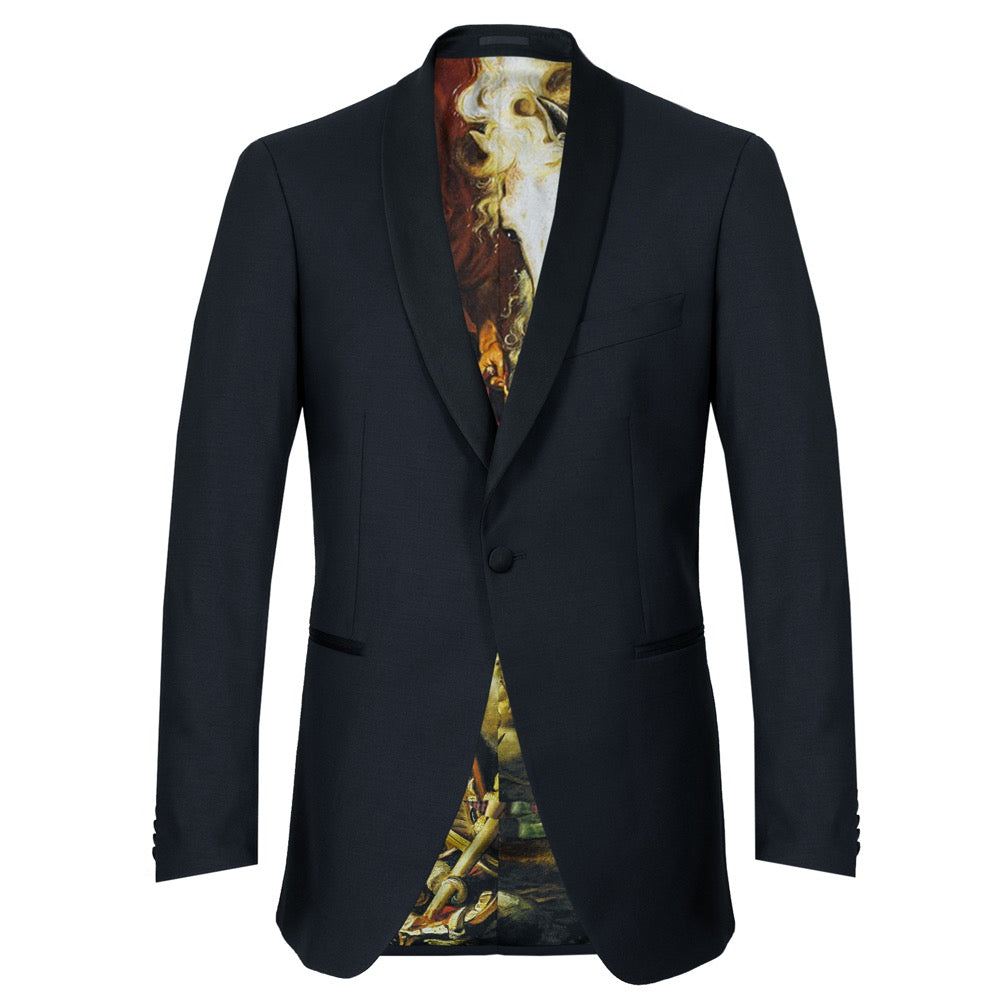 Black Dinner Jacket Shawl Lapel
For more styling tutorials, subscribe to our channel
Subscribe to Our ChannelWhy Most Black Suits Look Worse Than They Should
A black suit is not a forgiving garment in the way that navy or charcoal are forgiving. Navy absorbs small errors of judgement: a slightly wrong tie, a shirt that is almost the right blue. Black does not. It is high contrast by nature, which means everything beside it is thrown into sharp relief. The shirt is more visible. The tie matters more. The shoes are noticed. Dress it carelessly and it reads as effortful without reward. Dress it well and it is one of the most striking things in the room.
There is also the question of what the suit is made of. A finely woven black worsted rewards good accessories. A flat, inexpensive fabric simply looks flat: there is nothing for the eye to settle on. Black is one of the more difficult colours to dye well, and on cheaper cloth the result is a dullness that no tie or pocket square will fix. Charcoal and navy are considerably more forgiving at every price point, which is worth knowing before committing to black.
Part of the difficulty is association. The black suit is also the uniform of the department store temp, the hotel caterer, the airport chauffeur: chosen in those contexts precisely because it asks nothing of anyone. To wear one and look as though the choice was deliberate rather than inevitable, the fabric, the fit, and the details all have to carry it. Wear black with that awareness and it reads entirely differently.

Starting With the Shirt
What Shirt Colours Work Best With a Black Suit
White is the right answer for most occasions, and there is no shame in that. A white shirt against a black suit is as clean and deliberate a contrast as tailoring produces. It has been the basis of dinner dress, of film noir, of every serious occasion since the suit acquired its present form. The reason it has not gone away is that it works: completely, reliably, without effort.
Light blue is the softer alternative when the occasion is professional rather than formal. The contrast is slightly lower, the result slightly more relaxed, and it opens up a wider range of tie options without demanding anything from them. A blue Bengal stripe shirt does this particularly well: the structure of the stripe adds just enough visual interest to keep the combination from looking flat.
Light grey, specifically a fine poplin or end-on-end weave, is worth knowing about. Against black, a silver-grey shirt reads as quietly sophisticated and handles patterned ties better than white does when the pattern is fine and pale. Pink, particularly a pale rose or warm blush, softens the severity of the suit without compromising it. A pink shirt with a black suit and a dark knitted tie is a combination that reads as confident and slightly unexpected, which is usually the right register to aim for.
Where the difficulties begin is darker shirt territory. A navy shirt with a black suit sits close enough in tone to create a murky quality around the chest and collar: the line between suit and shirt gets lost. A black shirt on a black suit erases it entirely. Both suppress the contrast that makes a black suit worth wearing in the first place.

The Tie Question
What Tie to Wear With a Black Suit
A white shirt creates a high-contrast backdrop against which almost any tie colour is legible: both a freedom and a responsibility, since the tie becomes the primary decision in the outfit. The black suit does not narrow your options at the tie stage; it focuses them.
Black on black is workable for formal events, but only when the tie has something for the eye to find. A flat, plain black tie against a black suit produces nothing. A tonal jacquard, a small geometric or a fine herringbone woven through the silk, catches the light differently from the suit cloth and produces something that reads as intentional. The difference is more visible in person than it photographs, which is where it matters.
Deep reds have enough classical precedent to read as considered rather than showy. A burgundy, a claret, a deep scarlet against a white shirt and black suit is a combination with some occasion to it: right for a wedding, a dinner, an event where you want to be remembered for what you wore. The darker end of the spectrum is where this works. Brighter reds tip the balance in the wrong direction.
Navy knitted ties are the most useful daily option. The texture of the knit keeps the outfit from reading as too formal, the colour sits in easy conversation with the black, and the whole thing looks like a man who has dressed carefully without advertising the effort. It moves between a professional daytime setting and an evening with some ceremony to it without requiring any adjustment.
As a general principle, texture earns its keep against black. Matt fabrics, wool, shantung, challis, silk knit, hold their colour and shape better under the high contrast of the suit than satin-finish silks do. The latter can look hard and unforgiving in direct light. A stripe through a shantung, a woven pattern through a challis: these are the ties that reward a closer look, and a black suit creates exactly the conditions in which that second look happens.

The Pocket Square
How to Wear a Pocket Square With a Black Suit
With a black suit, a pocket square is less optional than it is with other colours. The expanse of dark cloth draws the eye upward, and without something in the breast pocket the chest reads as unresolved. This is especially true when the tie is also dark or tonal: a small break of colour or texture at the pocket gives the eye somewhere to land.
White linen, folded flat or with a single point showing, is correct for formal occasions and rarely wrong anywhere else. It does not compete with the tie, introduces nothing that needs to coordinate, and adds a cleanness to the chest that suits the severity of the suit.
When the occasion is less formal, the pocket square is where the outfit's personality arrives. A silk square with a dark ground and a complex print, something with burgundy, deep green or gold running through it, sits well against black without fighting for attention. The square should share at least one colour with the tie. It should not match it directly: matching produces a uniform quality that tends to read as an afterthought rather than a choice.

Completing the Look
Black Suit Shoes, Socks and the Details That Finish the Outfit
Black shoes are the natural conclusion of a black suit. The leg line reads most cleanly when trouser and shoe are the same colour, and with black the resolution is total. The question is which black shoe. For formal occasions, a whole-cut Oxford or a cap-toe. For anything less ceremonial, a Derby, a plain-toe blucher, a monk strap if the suit has the character for it. The one shoe worth knowing about as an alternative is a very dark oxblood with heavy black antiquing worked through it: when the colour carries enough darkness to meet the suit halfway, it reads as a deliberate decision rather than a mismatch.
Black suede is underused against black tailoring, and worth thinking about for spring and summer. A black suede loafer with a black linen jacket has an unhurried quality that polished leather does not always produce at that time of year.
Socks: black is obvious, but black has more variation in it than people tend to notice. A sock that reads slightly grey or blue against the trouser is more visible than you want it to be, and black is an unforgiving backdrop for that kind of discrepancy. If there is any doubt about the match, a very dark burgundy works as a quiet alternative that sits well against almost any tie colour in this post.
Cufflinks, tie bar, and watch should share a metal. The choice between silver and gold is personal and both work against black, but mixing them produces a restlessness in the outfit that is disproportionate to the scale of the error. Get the metals consistent and the whole thing reads as finished.
The Formal End
Black Suit vs Black Tie: Understanding the Difference
A black suit is not a tuxedo. The occasions that call for one do not call for the other, and the distance between them is greater than the shared colour suggests. The tuxedo has satin or grosgrain facings on the lapels and a silk stripe down the trouser leg, details that exist specifically to distinguish it from a lounge suit in low light, which is the condition in which most formal evening events take place. A dinner jacket worn over a pleated shirt and a dress waistcoat is one of the most resolved looks in a man's wardrobe. It earns that position partly because of how different it looks from everything else in the room.
The common mistake is arriving in a plain black suit on the grounds that it is close enough. It is not close enough, and the satin facings are precisely what make that legible to everyone else in the room. A well-cut midnight blue dinner jacket, which is an alternative the black tie dress code permits, would read as more appropriate than a black lounge suit, which says something worth noting.
The Rampley & Co black tie collection is the right place to start for a formal evening occasion.

Frequently Asked Questions
Black Suit Combinations: Your Questions Answered
Is a black suit appropriate for business?
In conservative business environments, charcoal and navy are the conventional foundation colours: they are more versatile, more forgiving, and carry fewer associations than black does. The black suit is also the default uniform of hotel catering and retail, which is not the read most people are after in a client meeting. In creative industries or less formal professional contexts a well-cut black suit works well. For business casual specifically, black resists dressing down in the way that navy and grey do not, and tends to look better when the occasion calls for something more formal.
What colour shirt works best with a black suit?
White is the most reliable choice and handles the widest range of occasions. Light blue is a softer alternative for professional or daytime settings. Light grey works well when the occasion is formal but not strictly black tie. Pale pink can work with conviction. Dark shirts in navy, charcoal or black tend to suppress the contrast that makes a black suit worth wearing, and are generally best avoided.
What tie should I wear with a black suit?
Navy knitted ties are the most versatile daily option. Deep reds and burgundies work well for formal occasions with some character to them. Black ties work against a black suit when the silk carries a tonal woven pattern: something for the eye to find. Matt fabrics generally, wool, shantung, challis, silk knit, hold their colour and shape better under the high contrast of the suit than satin-finish silks do.
Can you wear brown shoes with a black suit?
As a rule, black shoes carry a black suit more cleanly than brown. The leg line is most resolved when trouser and shoe share a colour. The one exception worth knowing is a very dark oxblood with heavy black antiquing worked through it: when the colour has enough darkness to meet the suit halfway it reads as a decision rather than a mismatch. Warm or mid-tone browns create a note of confusion that is hard to resolve.
What pocket square goes with a black suit?
With a black suit a pocket square is less optional than with other colours: the expanse of dark cloth benefits from something in the breast pocket. White linen folded flat is correct for formal occasions and rarely wrong elsewhere. For less formal settings, a silk square with a dark ground and a complex print works well. The square should share at least one colour with the tie but should not match it directly.
Can you wear a black suit to a black tie event?
No. A black suit and a tuxedo are different garments and the occasions that call for one do not call for the other. The tuxedo has satin or grosgrain facings on the lapels and a silk stripe down the trouser leg, details that distinguish it from a lounge suit in low light, which is the condition in which formal evening events take place. A plain black suit at a black tie event reads as underdressed in a way that most people in the room will notice.
How do you make a black suit look less severe?
The most effective single change is the shirt. A light blue or pale pink shirt softens the severity of black more than anything else. At the tie stage, a knitted wool or textured shantung reads as warmer and less formal than a flat silk. A pocket square with some colour, used with a light hand, breaks the expanse of dark cloth without undermining the suit. Good fit does more than all of these: a black suit that fits well reads completely differently from one that does not.
What is the difference between a black suit and a tuxedo?
A tuxedo has satin or grosgrain facings on the lapels and a silk stripe down the trouser leg. These details signal the formality of the occasion and distinguish the garment from a lounge suit in low light. A black lounge suit has neither. They are not interchangeable, and wearing a plain black suit to a black tie event reads as underdressed regardless of how well the suit fits or how expensive it is.
To view the full collection of ties, pocket squares and accessories for black suits, click below.