

Why You Should Never Use A Lint Roller On Your Clothing
The lint roller is everywhere: in coat cupboards, on office desks, in every dry-clean-only household with a cat. It is also, quietly, making your clothes worse every time you use it. There is a better tool, it costs less, and once you understand why it works, you will not reach for the roller again.
Shop the Video
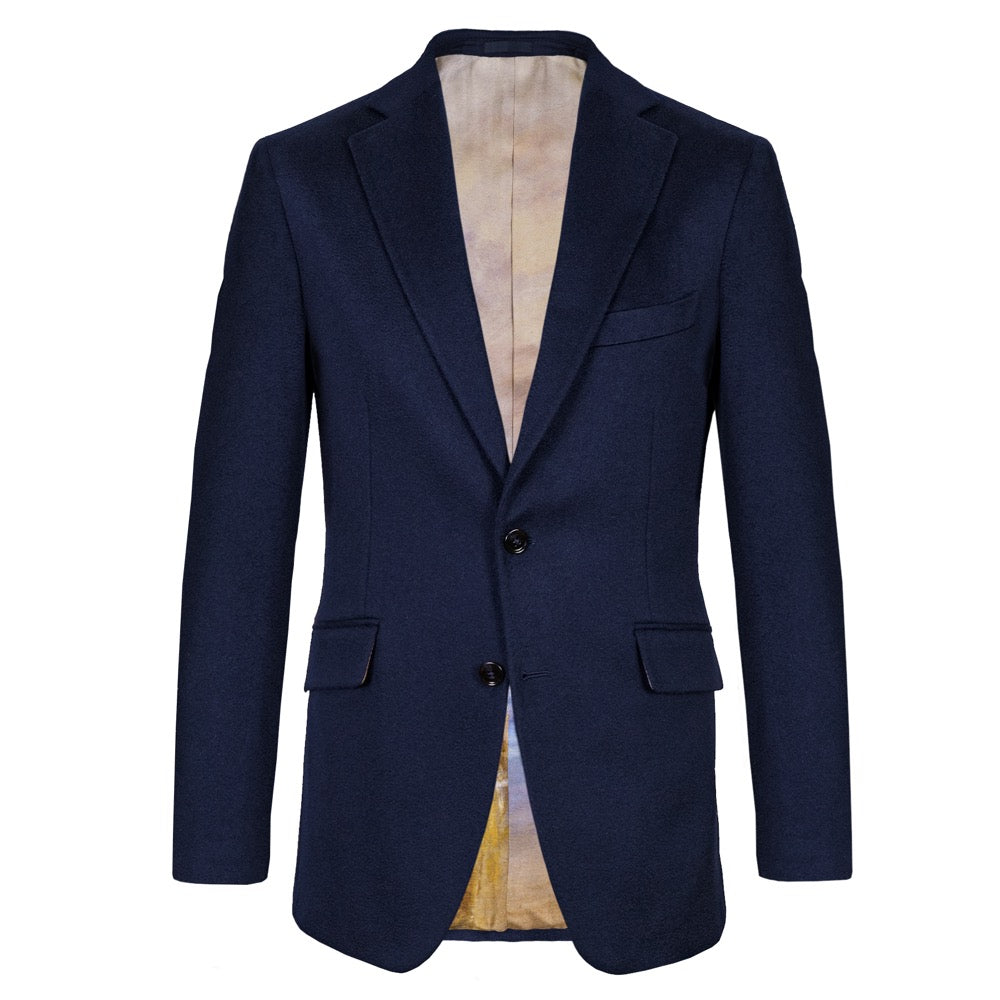

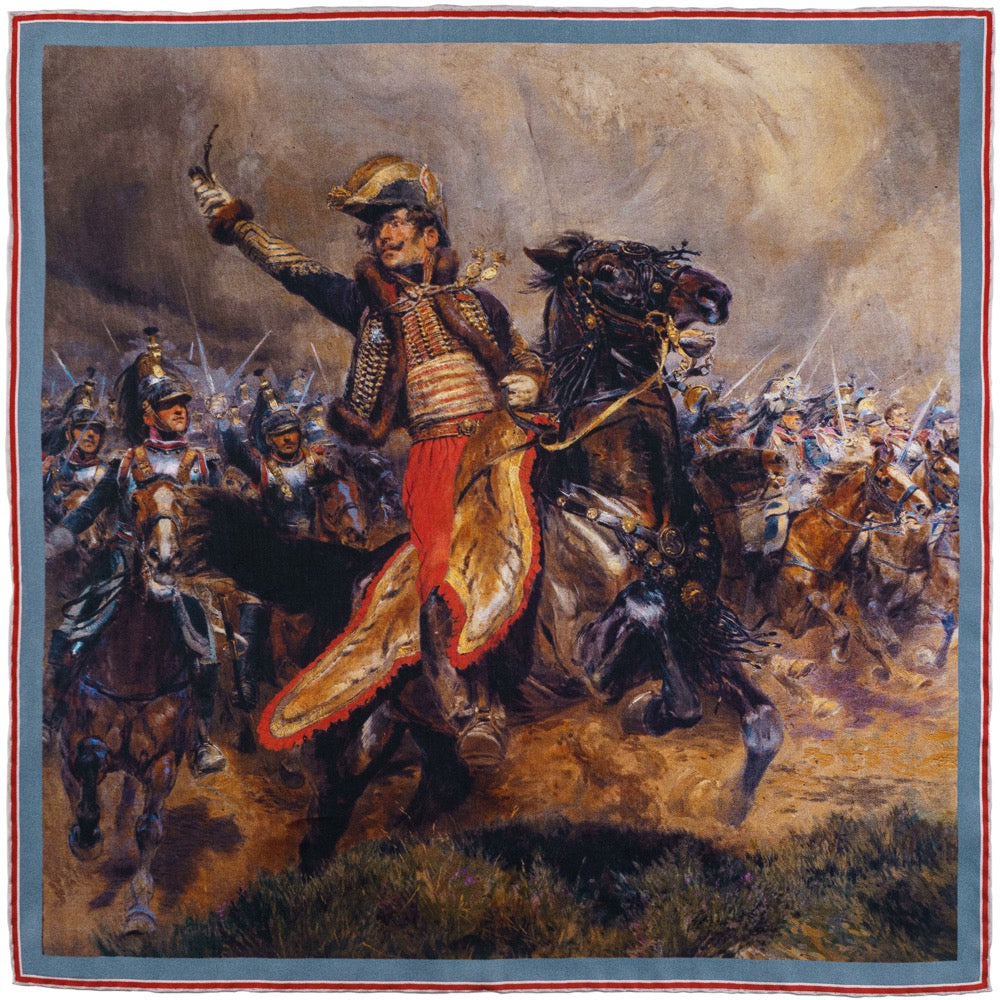


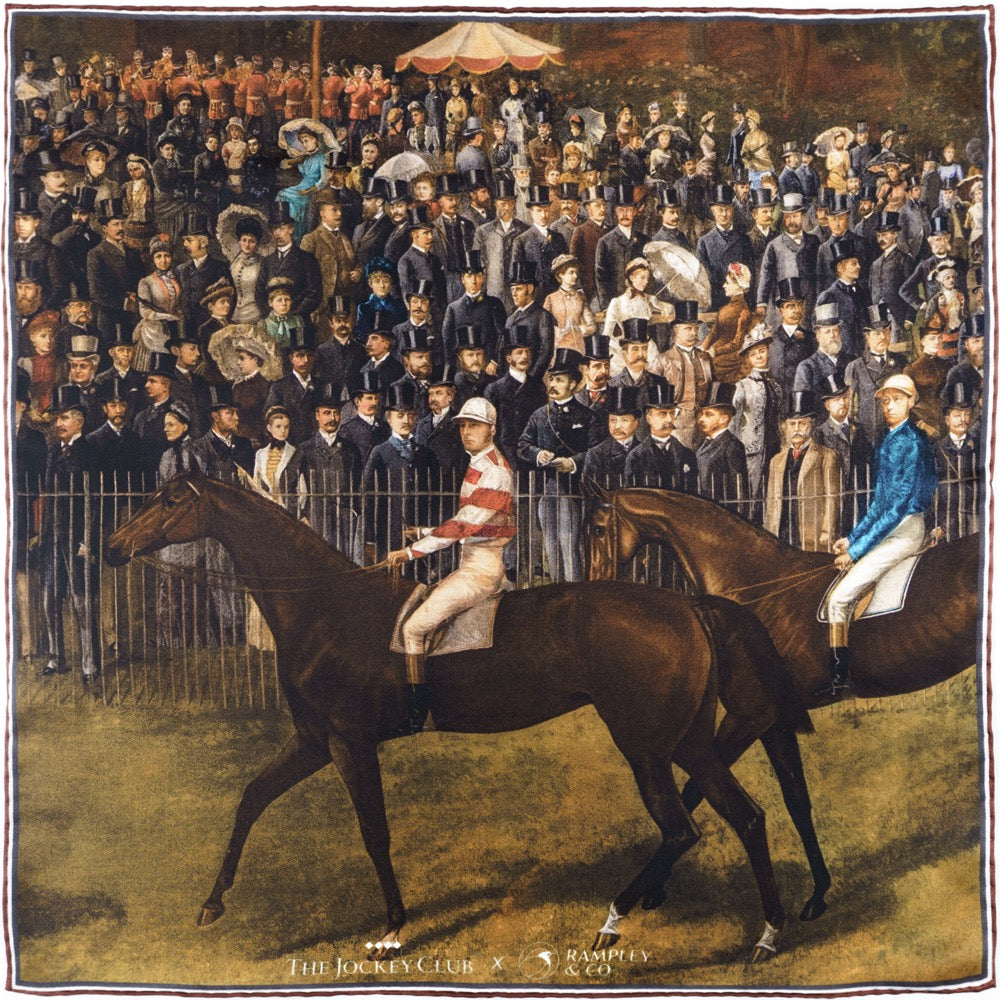
For more styling tutorials, subscribe to our channel
Subscribe to Our ChannelThe problem with adhesive
Why a Lint Roller Damages Wool and Cashmere Over Time
The lint roller works by pressing a sticky surface against fabric and lifting debris. This sounds straightforward enough. The issue is what happens in the moment of contact. The adhesive does not merely pick up the lint sitting on top of the cloth; it also deposits a thin residue of glue into the structure of the weave itself. With wool and cashmere in particular, that residue clings to the individual fibres. Do it once and you will probably never notice. Do it a dozen times, and the surface of the cloth begins to mat: the fibres clump together, the texture loses its openness, and what was a clean, lively surface starts to look tired and slightly felted.
There is a further problem, and it is the one that makes the lint roller such a self-defeating tool. A sticky surface that has deposited residue into the weave does not leave that weave in a neutral state. It leaves it in a slightly tackier, more adhesive state than it was before. Which means the cloth now attracts lint more readily. Which means you reach for the roller again. Which makes it worse. The lint roller is not solving the problem it appears to be solving. It is, over time, causing it.
This is not a fault unique to cheap rollers. The mechanism is the same regardless of brand. The stickiness is the product, and the stickiness is the damage.
A habit worth reconsidering
Why the Lint Roller Is One of the Least Sustainable Things in Your Wardrobe Routine
Beyond what it does to your clothes, the disposable lint roller accounts for a surprising volume of waste. Each roll is a sheet of plastic-coated adhesive paper, used once and discarded. The sheets are not recyclable. Neither is the plastic frame that holds them. Multiply that by the number of times it comes out of the drawer across a year, and the thing that was supposed to make you look presentable has quietly generated a small landfill contribution of its own.
This sits awkwardly against any genuine interest in sustainable clothing. The whole argument for buying well, for investing in a tailored jacket made from proper cloth by skilled hands, is that it outlasts the alternatives by years and eventually by decades. It is the antithesis of disposable fashion. Using a single-use adhesive roller to maintain it is a little like buying a handmade fountain pen and filling it with biro ink. The two philosophies do not sit together comfortably.
A good clothes brush, by contrast, lasts a lifetime if maintained properly and produces no waste at all. It is the sustainable choice, in every sense that phrase is supposed to mean. The economics are not complicated: one brush bought once, used indefinitely, against a drawer that refills itself with disposable rolls at regular intervals. The brush wins on every measure, and it does not damage the cloth while doing so.
The right tool
How to Use a Clothes Brush Correctly on Wool, Cashmere, and Fine Tailoring
A good quality clothes brush is the correct answer to every situation the lint roller has been reaching into your drawer for. It removes dust, lint, hair, and surface debris without touching the integrity of the cloth, because it uses no adhesive. The bristles, natural ones, traditionally boar bristle, work with the direction of the weave rather than against it, lifting particles free and carrying them away. Nothing is deposited. Nothing is left behind.
Using it correctly takes about thirty seconds and requires knowing two things: the direction of the nap, and the weight of the cloth. For most woollen jackets and trousers, brush downward in the direction the fibres naturally lie, using long, firm strokes along the length of the garment. For heavily napped cloths like flannel or brushed tweed, a light upward stroke to raise the surface, followed by a downward sweep to settle it, produces the best result. Cashmere responds well to gentler pressure than wool; the surface is more delicate and less forgiving of vigorous scrubbing.
The brush also does something the lint roller cannot: it actually refreshes the cloth. Every pass over a woollen surface removes microscopic particles of dust that accumulate invisibly during a day's wear. These particles, left to sit in the weave, accelerate wear and contribute to that dull, flattened quality that fine tailoring acquires when it is worn often but not properly maintained. A brushed garment looks brighter, hangs better, and smells fresher. It takes two minutes and requires nothing except the brush and a coat hanger.
Caring for investment pieces
Why Proper Brushing Means Less Dry Cleaning and a Longer Life for Your Jacket
The relationship between brushing and dry cleaning is one that most people do not consider until they have had a jacket for long enough to notice the difference. Dry cleaning is a necessary intervention but it is also, in a meaningful sense, a stress event for fabric. The process removes natural oils from wool, which is part of why dry-cleaned jackets can emerge feeling slightly stiff or flat. The standard advice from anyone who makes fine tailoring is to dry clean as infrequently as possible, and to use brushing as the primary method of maintenance between visits.
A jacket that is brushed after each wear, allowed to rest on a good hanger, and aired for twenty minutes before returning to the wardrobe will need dry cleaning perhaps twice a year if worn regularly. The same jacket neglected, clogged with surface debris, stored dusty, and periodically attacked with a lint roller will be sent to the cleaner far more often, will wear faster between visits, and will have a shorter useful life. The brushing is not merely cosmetic. It is structural maintenance.
For cashmere specifically, the argument is even stronger. Cashmere is a protein fibre, like all animal fibres, and it is more susceptible than wool to the cumulative stress of improper care. Our tailored jackets are made from cloth woven to the highest specification and they repay careful maintenance more than almost any other garment in your wardrobe. Brush after each wear. Fold for long-term storage rather than hanging. Keep well away from the lint roller. The cloth will outlast almost any other investment in your wardrobe if it is given the right conditions, and the right conditions cost nothing beyond a few minutes of attention.
Choosing the right brush
What to Look for in a Good Quality Clothes Brush
Not all brushes are equal, and the difference between a good one and a poor one is felt in the first use. The key variable is the bristle. Natural bristle, boar being the standard for clothes brushes, has a surface texture at the microscopic level that is effective at gripping and releasing particles without snagging on fabric. Synthetic bristle tends to be too stiff for fine cloth and can leave drag marks on softer surfaces, particularly cashmere and fine merino. For most tailoring, a medium-density boar bristle brush is the correct choice.
Size matters more than most people expect. A brush that is too small for the job means working in short, fussy strokes rather than long, confident sweeps. A palm-sized brush works well for accessories and spot-brushing; for jackets and trousers, a larger brush with a solid wooden back and a comfortable grip will do the work in a quarter of the time with better results. Horsehair brushes are a good alternative to boar bristle and tend to be slightly softer, making them well suited to finer cloth and delicate surfaces.
Maintain the brush itself. A clothes brush that is never cleaned eventually deposits what it has collected back onto the next garment it touches. Pull the trapped fibres free periodically with a fine comb or by working the bristles between two fingers, and wash the brush with mild soap and warm water every few months, leaving it to dry bristle-down so water does not damage the wooden back. A well-maintained brush lasts decades and pays for itself within the first season of use against what you would otherwise spend on more frequent dry cleaning.
Ties and pocket squares
How to Care for Silk Accessories and Why They Need a Different Approach
Silk does not respond to brushing in the way wool does, and it should not be treated with the same tool. A stiff-bristled clothes brush on a silk tie will damage the surface finish and disturb the texture that gives each cloth its distinctive character. Silk accessories require a lighter touch: a soft, dry cloth for any surface dust, gentle folding rather than rolling for storage, and immediate attention to any liquid that makes contact, dabbed with a clean cloth and never rubbed.
A madder silk tie is printed on a twill that has been treated with gum arabic, producing that particular chalky, matte surface and dry handle that distinguishes it from every other silk on the market. That same surface is sensitive to heat, moisture, and abrasion. Store your ties loosely folded or hung rather than rolled tightly, and hang them to recover any creasing from wear. If a crease has set, a cool iron on the reverse through a pressing cloth will release it without any risk to the finish. Our full tie collection covers everything from madder and shantung to silk twill and knitted wool-cashmere blends, each with its own particular care requirements, but all of them sharing the same first principle: less interference, not more.
Pocket squares made from fine silk or linen should be treated with equal care. Linen folds beautifully and holds its structure well, but is prone to persistent creases if stored badly. Fold pocket squares flat rather than bundling them into a drawer, and press linen with a damp cloth if it needs refreshing. The less you do to a fine silk pocket square, the better it looks over time. The chalk hand of a madder piece, or the depth of colour in a fine art print, survives indefinitely when the cloth is left alone and stored sensibly. It deteriorates surprisingly quickly when subjected to heat, moisture, or a well-meaning but misguided attempt at maintenance.
The full routine
A Simple After-Wear Routine That Will Extend the Life of Your Tailoring
The difference between a wardrobe that ages well and one that wears out is usually not the quality of the clothes. It is the ten minutes of attention given at the end of the day.
Remove the jacket and check the pockets. Keys and coins create friction against the lining and stress the pocket seams; anything left in overnight adds unnecessary weight to the hang. Shake the jacket gently to release any surface creasing, then brush it: long downward strokes on the front, back, and sleeves, a lighter pass on the lapels, and particular attention to any area that has been in contact with a seat-back or had something resting against it. Hang it on a properly shaped hanger, one that holds the shoulder correctly, and leave it to air for at least twenty minutes before closing the wardrobe.
Trousers benefit from the same treatment. Brush along the grain of the cloth, pay attention to the seat and the knees where fabric stress is highest, and fold them correctly rather than leaving them draped over a chair. A trouser press is a fine addition to the routine if you use one, but it is not a substitute for brushing, and brushing comes first.
If you have spent all day in a cashmere jacket and the fibres feel slightly compressed or the surface looks flat, rest the garment on a hanger in a steamy bathroom for ten minutes, not in direct contact with steam, simply in the ambient humidity. The fibres will recover their loft and the jacket will look considerably better without having been near a dry cleaner. It is one of those pieces of practical knowledge that sounds almost too simple to be useful, until you try it once and find that it works every time.
The whole routine, from removing the jacket to closing the wardrobe, takes less time than it took to read this paragraph. Do it consistently for a year and the garment will look as if it has barely been worn. Neglect it and the same cloth, however good, will begin to look its age far sooner than it should. The clothes do not ask much. A brush, a hanger, and a little patience are all it takes.
Frequently Asked Questions
Your Questions About Clothing Care Answered
Why should you not use a lint roller on wool or cashmere?
Lint rollers use an adhesive surface that deposits a thin residue of glue into the weave of the fabric with each use. On wool and cashmere, this residue causes the fibres to mat over time, making the surface of the cloth look flat and worn. It also makes the fabric more prone to attracting lint in future, because the surface has become slightly tackier than it was before. A clothes brush achieves the same result without adhesive and causes no damage to the cloth.
Are lint rollers bad for the environment?
Yes. Disposable lint roller sheets are plastic-coated adhesive paper and are not recyclable. Neither is the plastic frame of the roller itself. Both go to landfill. For anyone who has invested in quality clothing with the intention of wearing it for years or decades, the disposable lint roller sits oddly in that picture. A natural bristle clothes brush produces no waste, lasts a lifetime with basic maintenance, and does not damage the fabric in the process.
What type of clothes brush is best for wool jackets?
A natural bristle brush, boar or horsehair, is the correct choice for most wool jackets and fine tailoring. Natural bristle has a surface texture that lifts particles cleanly without snagging the cloth. Boar bristle in medium density works well for most woollen weights. Horsehair is slightly softer and suits finer cloths and accessories. Avoid synthetic bristle, which can be too stiff for delicate surfaces and may leave drag marks on cashmere.
How often should you dry clean a wool jacket?
As infrequently as possible. Dry cleaning removes natural oils from wool, which can leave the cloth feeling stiffer and flatter with each treatment. A jacket that is brushed after each wear and properly aired will need dry cleaning perhaps once or twice a year with regular use. Brushing is the primary form of maintenance; dry cleaning is the intervention for situations brushing alone cannot address, such as a spill or a persistent odour.
How do you care for a silk tie?
Silk ties should not be brushed with a stiff clothes brush, as this can damage the surface finish. Store them loosely folded or hung rather than rolled tightly. Any liquid contact should be dabbed immediately with a clean dry cloth and never rubbed. For creasing, a cool iron on the reverse through a pressing cloth will usually work. Dry cleaning is acceptable when necessary but should be kept to a minimum. Madder silk ties in particular have a chalk hand finish that is sensitive to heat and moisture, so the cooler and lighter the treatment, the better.
How do you get creases out of a cashmere jacket?
The most effective method is steam. Hang the jacket on a properly shaped hanger in a steamy bathroom for ten minutes, in the ambient humidity rather than in direct contact with steam. The cashmere fibres will relax and recover their shape naturally. A hand steamer held at a slight distance works well for more stubborn creases. Avoid ironing cashmere directly and always use a pressing cloth if heat is necessary. Let the steam do the work rather than pressing down with weight.
What is the correct way to store a tailored jacket?
Hang the jacket on a shaped hanger that correctly supports the shoulder line; a thin wire hanger distorts the shape over time. Empty the pockets before storage to avoid stress on the seams and unnecessary weight on the hang. Allow the jacket to air for at least twenty minutes after wearing before returning it to the wardrobe, to release any accumulated moisture or warmth. For long-term storage, a breathable garment bag rather than a sealed plastic one will protect the cloth while allowing air circulation.
To explore the full tailored jacket collection, click on the button below.