

The Ultimate Guide to Navy Jackets and Blazers
Navy is the colour menswear forgets to talk about, mostly because everyone already owns some version of it. A jacket gets pulled out for the office, a blazer for the wedding invitation that says smart casual and means nothing of the kind. Here is the navy jacket properly explained: where the name came from, what actually separates a blazer from a sports coat, and which version belongs in your wardrobe.
Shop the Video
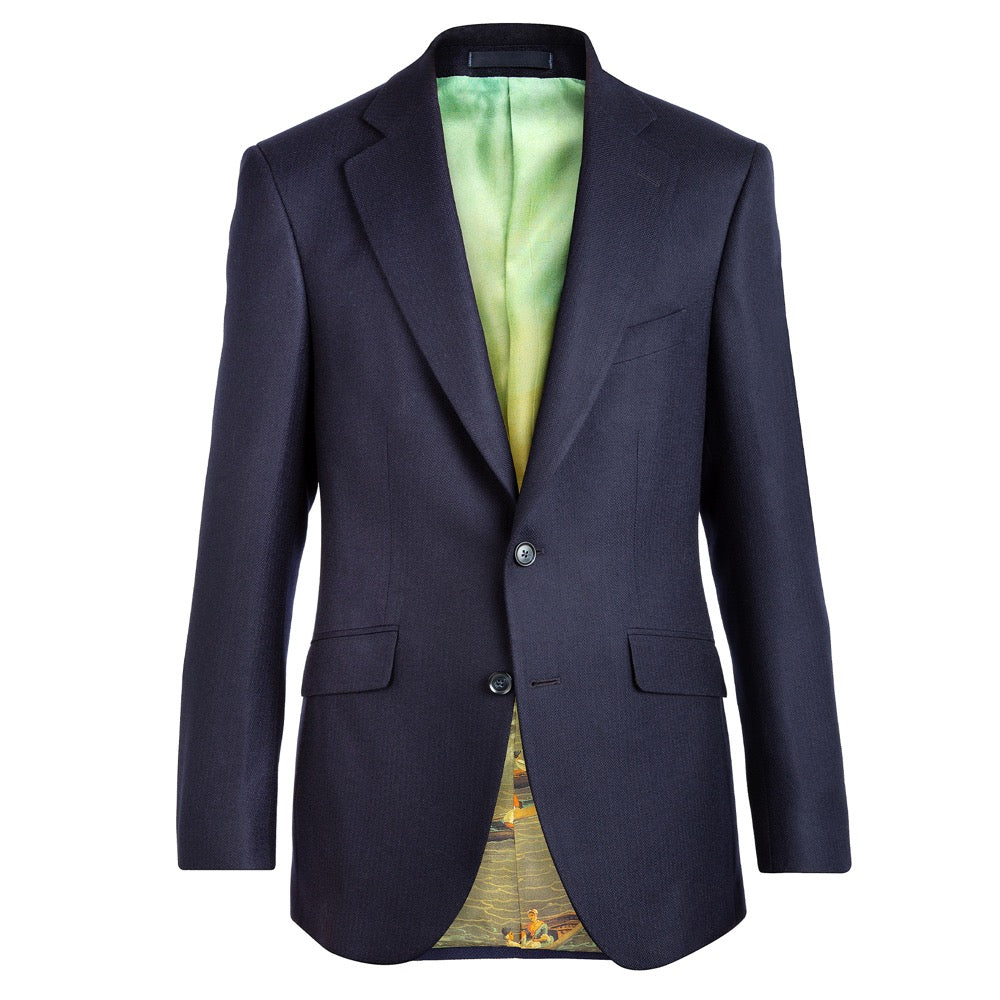 Navy Superfine Merino Wool Jacket
£1,195.00
Navy Superfine Merino Wool Jacket
£1,195.00
 Navy Shantung Silk Tie
£155.00
Navy Shantung Silk Tie
£155.00
 Steel Blue & Green Madder Silk Pocket Square
£90.00
Steel Blue & Green Madder Silk Pocket Square
£90.00
 Dark-Blue Hopsack Wool Jacket
£1,195.00
Dark-Blue Hopsack Wool Jacket
£1,195.00
 The Grand Canal, Venice by Turner Pocket Square
£90.00
The Grand Canal, Venice by Turner Pocket Square
£90.00
 Blue Stripe Grenadine Tie
£195.00
Blue Stripe Grenadine Tie
£195.00
 Midnight Windowpane Wool Jacket
£1,445.00
Midnight Windowpane Wool Jacket
£1,445.00
 Balmoral, Navy Pocket Square
£90.00
Balmoral, Navy Pocket Square
£90.00
 Oxblood Knitted Wool-Cashmere Blend Tie
£155.00
Oxblood Knitted Wool-Cashmere Blend Tie
£155.00
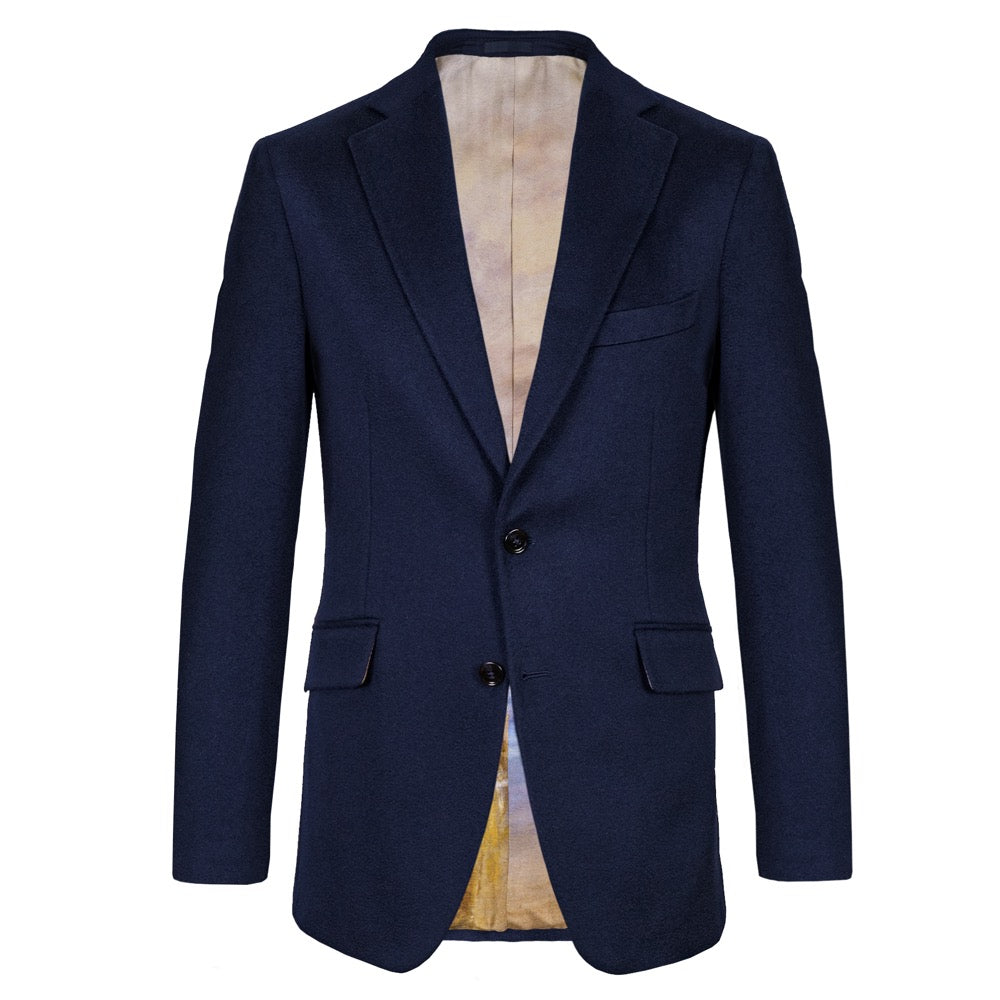 Navy Cashmere Jacket
£2,845.00
Navy Cashmere Jacket
£2,845.00
For more styling tutorials subscribe to our channel
Subscribe to Our ChannelA Little History
Where the Navy Blazer Actually Came From
The story most often repeated about the navy blazer involves a ship. In 1837, so the popular version goes, a Royal Navy vessel called HMS Blazer was due an inspection visit from the newly crowned Queen Victoria, and its commander, having no proper uniform for the crew, had them fitted with matching navy double-breasted coats with brass buttons for the occasion. The garment supposedly took its name from the ship. It is a tidy story, repeated in enough places that it has become the standard explanation, though like a lot of sartorial folklore the documentary evidence is thinner than the tale deserves.
What is not in dispute is that navy tailoring has nautical roots. Brass-buttoned navy coats were standard issue across British rowing clubs and naval associations through the nineteenth century, and the jacket migrated from the boathouse into ordinary wardrobes over the following decades. By the time it reached the golf course and then the office, the navy jacket had shed its uniform associations and kept the one thing worth keeping: it goes with almost everything you already own.
Know Your TermsBlazer vs Sports Coat vs Tailored Jacket: What Is the Difference?
These three terms get used interchangeably and most people never notice the difference, largely because there isn't much of one in practice. The distinctions that do exist come down to buttons, cut and origin rather than anything you would spot from across a room.
A sports coat, sometimes called a sports jacket, was originally designed for outdoor pursuits rather than the office, which is why it tends to sit slightly looser than a fitted navy jacket and was never meant to be worn with matching trousers. A blazer is defined less by its cut than by its buttons: solid colour cloth paired with metal buttons, usually carrying a nautical motif as a nod to the garment's naval heritage. A tailored jacket sits closest to formal dress, with horn or corozo buttons rather than metal, a more structured cut through the chest, and the option of being made from the same cloth as a pair of trousers to form a suit.
In practice the three categories blur into each other constantly, and the useful question is rarely which category a jacket belongs to but where you intend to wear it. A tailored navy jacket with horn buttons works in the office on a Tuesday and at a wedding on a Saturday. A blazer with brass buttons reads more deliberately nautical and suits a yacht club lunch better than a boardroom.
The ClothWhy Wool Is the Right Fabric for a Navy Jacket
The fabric is where any navy jacket lives or dies. A synthetic cloth with too much sheen looks cheap from ten feet away, however well the jacket is cut, while a fabric with genuine texture and a brushed finish pairs easily with trousers and survives being dressed up or down without complaint.
Wool remains the standard for good reason. Superfine merino and hopsack weaves carry warmth and depth without bulk, and a navy wool jacket is about as close to a wardrobe constant as menswear allows. Our jackets are cut from cloth supplied by Scabal, whose Huddersfield mill traces its history back to the sixteenth century and produces wool with a stability and recovery that keeps a jacket holding its shape long after a cheaper cloth would have given up. There is more on what goes into a jacket like this in our jacket product insight video.
Cotton and linen both have a place in a warm-weather wardrobe, lightweight and easy to dress down, but neither has the structure to carry a navy jacket through an English winter. Tweed sits at the opposite end, heavyweight and built for cold, though it tends toward browns and greys rather than navy. For a jacket that needs to work across most of the year, wool is the sensible starting point. There is a further look at the cloth and construction in this video.
Four Options
Four Types of Navy Jacket Worth Knowing
Navy is not a single jacket. It is a colour that shows up across four quite different garments, each suited to a different occasion and a different mood, and knowing which is which makes the buying decision considerably easier.
The Textured Hopsack Jacket
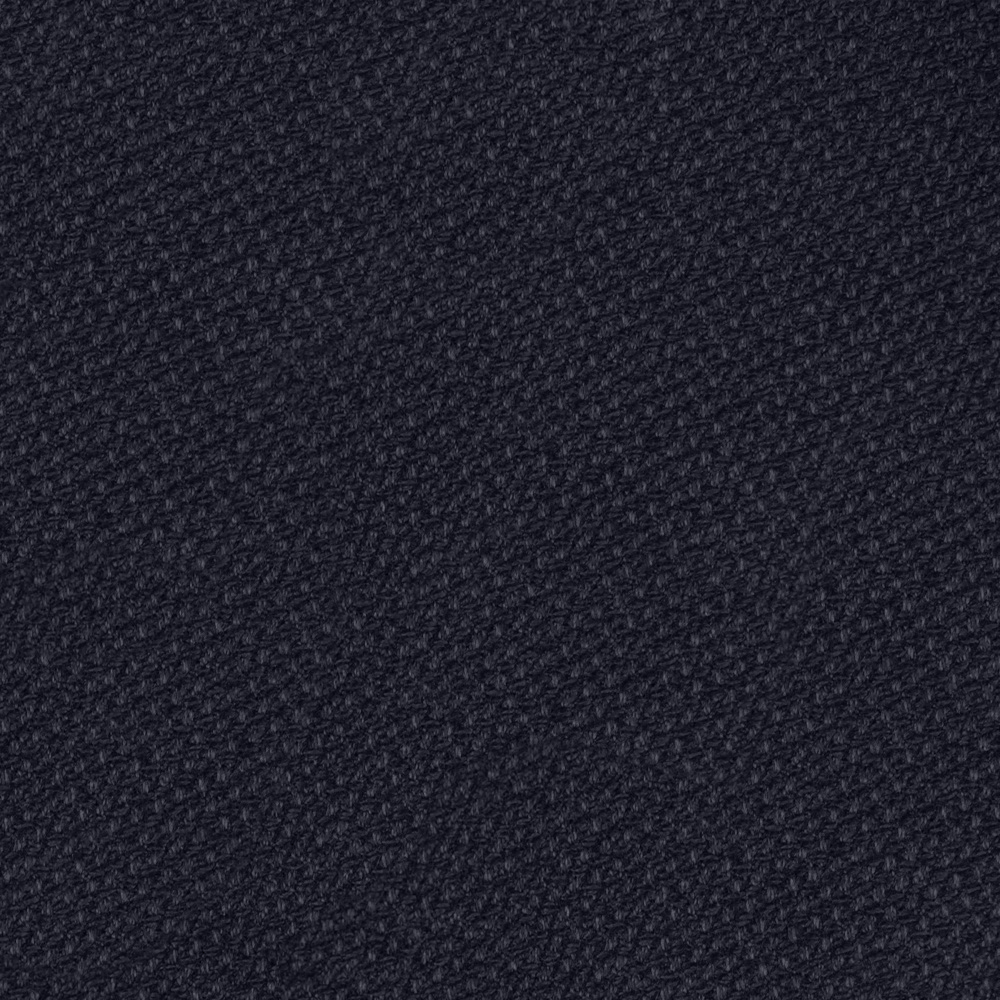
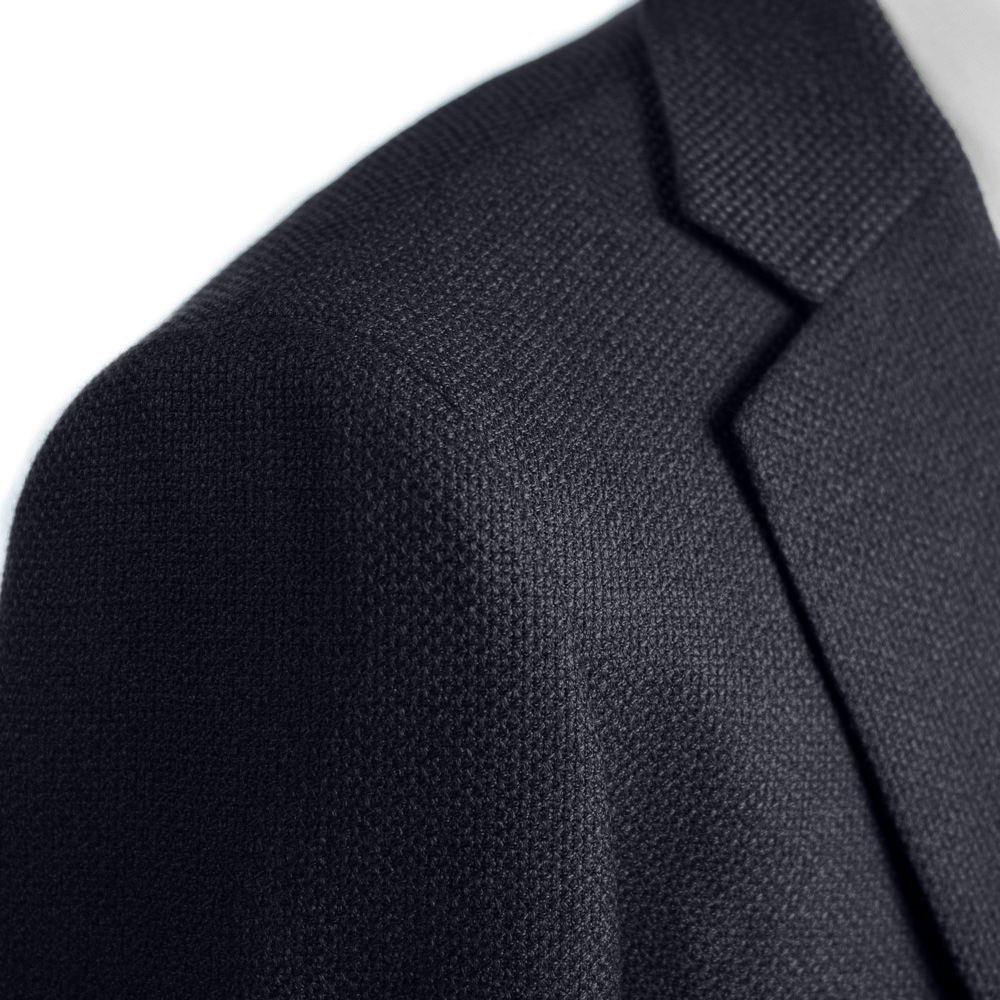
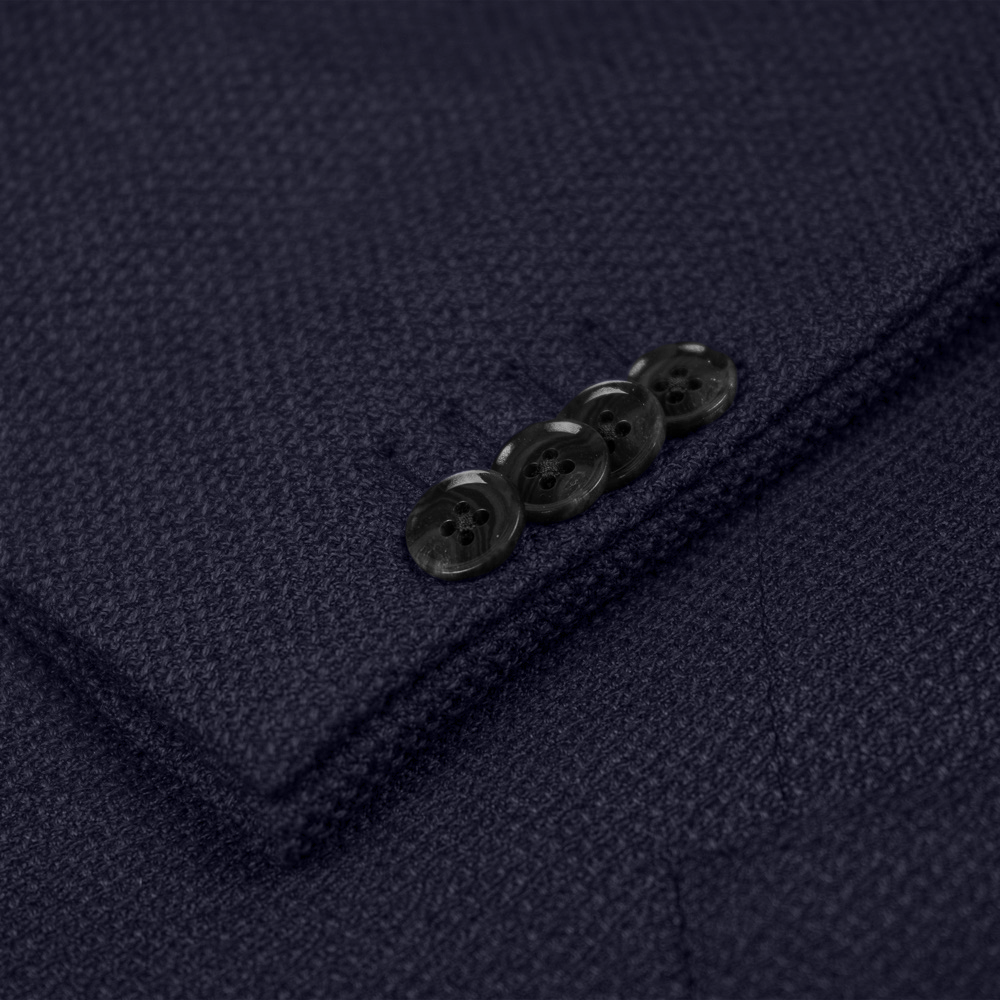
A hopsack weave raises the surface of the cloth slightly, letting individual fibres stand a little proud and giving the jacket a texture you can see as well as feel. Our Dark-Blue Hopsack Wool Jacket uses this weave to good effect: from a distance it reads as a clean, deep navy, while up close the texture stops it looking flat. It is the version that works hardest, equally comfortable with grey flannel trousers in the office or dark denim at the weekend.


The Velvet Evening Jacket
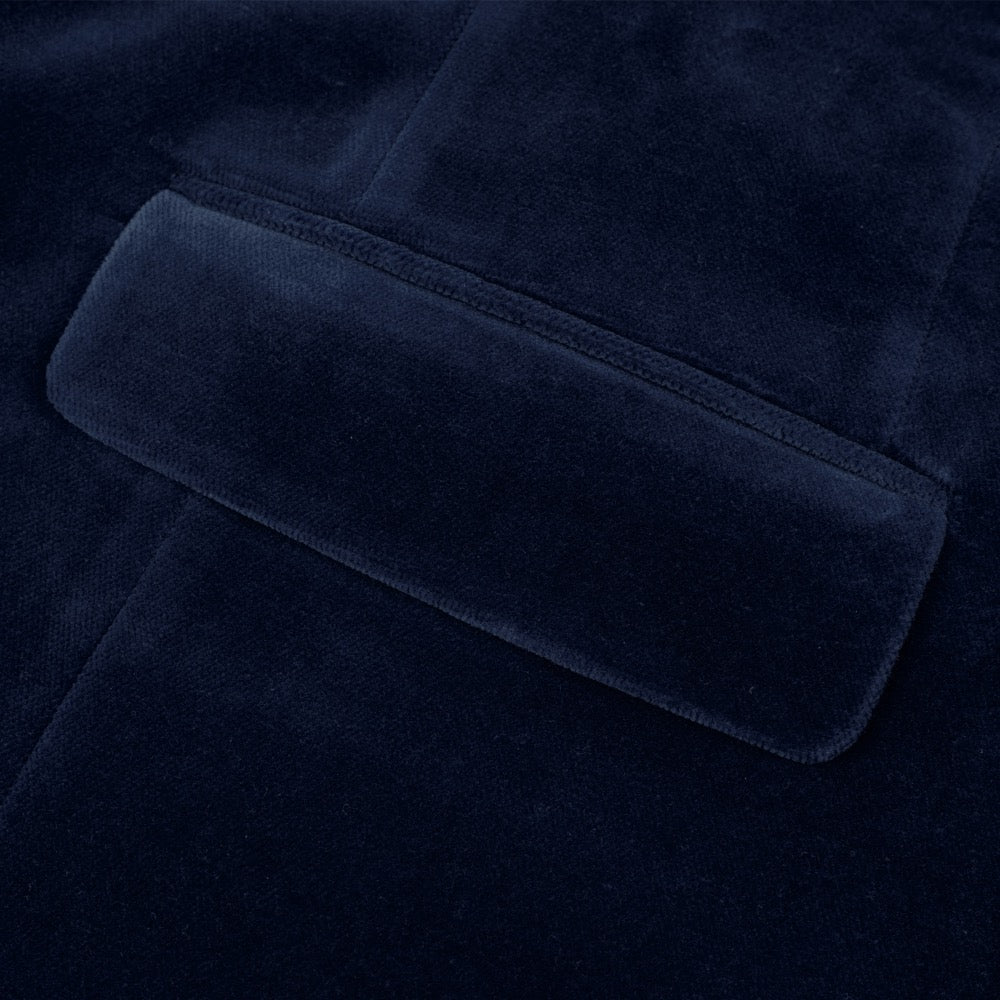
Velvet belongs to a different register entirely, built less for the office than for the evening it is finally allowed out for. Our Navy Blue Velvet Jacket takes the same peak-lapel silhouette as a dinner jacket and trades formal black for a navy with real depth to it, the kind of piece that reads as deliberate rather than costume-like against a black-tie room. It folds into the wardrobe just as easily for a Christmas party or a glamorous wedding as it sits waiting for the next properly dressy occasion.

The Cashmere Jacket
Cashmere belongs to a category of speciality hair fibres rather than ordinary sheep's wool, combed by hand from the undercoat of the goat rather than shorn, which is part of why it costs what it does. Our Navy Cashmere Jacket uses Scabal's St. Moritz cashmere at 360g, a heavier weight that gives the jacket real substance without ever feeling stiff. It is the version to reach for when the occasion calls for something with genuine depth to it.
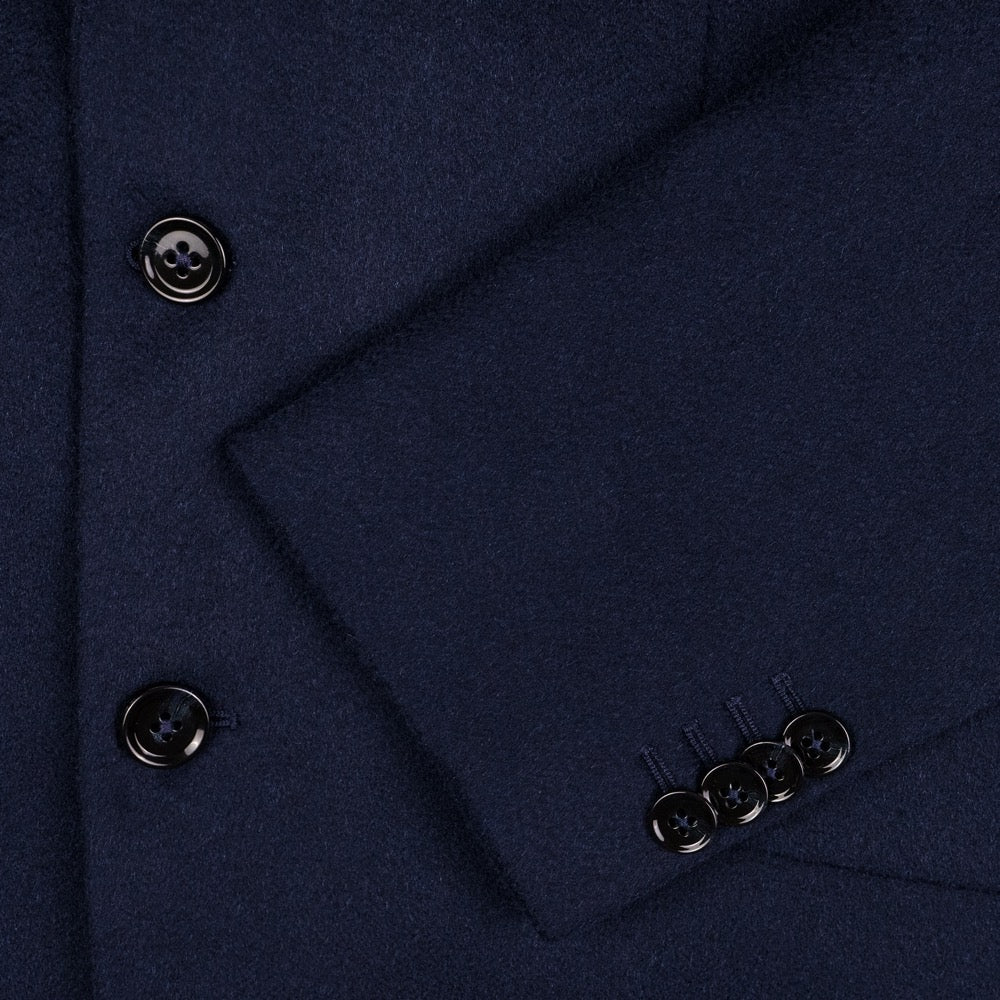

The Checked Windowpane Jacket
A windowpane check sits a fine, widely spaced line across the cloth, large enough to register as pattern without competing with a tie or pocket square. Our Midnight Windowpane Wool Jacket keeps the base colour close enough to navy that it reads as a smarter, more considered alternative to plain cloth, particularly for anyone whose wardrobe is already heavy with solid navy and grey.

Getting It Right
How to Get the Fit Right: Slim vs Regular
Cloth and pattern decided, fit is the part that actually determines whether a jacket looks expensive or merely expensive. A regular fit carries a more liberal cut through the chest and waist, comfortable without drifting into baggy, while a slim fit sits closer to the silhouette through the arms, waist and chest for a narrower overall line. Neither is objectively better. The right one depends on build and on how the jacket needs to sit against whatever goes underneath it.
The shoulder is the single measurement worth getting right above all others, since a shoulder seam that sits even slightly wrong cannot be fixed by a tailor without unpicking most of the jacket. Our guide to measuring a jacket online walks through the comparison method against a jacket already in the wardrobe, and the difference between a well-fitted jacket and a tight one is covered in more detail in our jacket fit video. Every Rampley jacket is made to order in either fit, with the full breakdown of measurements on the jacket sizing guide.
Built To Last
What Makes Up a Well-Made Navy Jacket
Strip a jacket down to its components and the differences between a good one and an ordinary one become obvious fairly quickly. The shoulder comes either structured, with padding beneath the cloth for a more defined line, or unstructured, letting the fabric follow the body for something closer to a cardigan. The lapel on a tailored jacket is almost always a notch, the most versatile cut across menswear and the most flattering choice for slimming the chest and shoulders visually.
Buttons that sit close enough to touch are known as kissing buttons, and where they overlap slightly the term is waterfall buttons. A working buttonhole on the sleeve, sometimes called a surgeon's cuff, signals a jacket made with the kind of care that goes beyond decoration. Pockets come either as a patch sewn onto the surface, a flap that covers the opening, or a jetted pocket that loses the flap entirely for the most formal finish, and the chest pocket should sit deep enough to hold a silk pocket square without it slipping.
On closure, a single-breasted jacket carries one column of buttons and a streamlined V shape when fastened, which tends to flatter more body types than a double-breasted cut, where the wider overlap and two parallel button rows can cinch unflatteringly at the waist. At the back, a double vent splits the hem either side of the trouser pockets, the more practical option for anyone who spends much of the day sitting down.
Finishing Touch
Why Silk Jacket Linings Matter
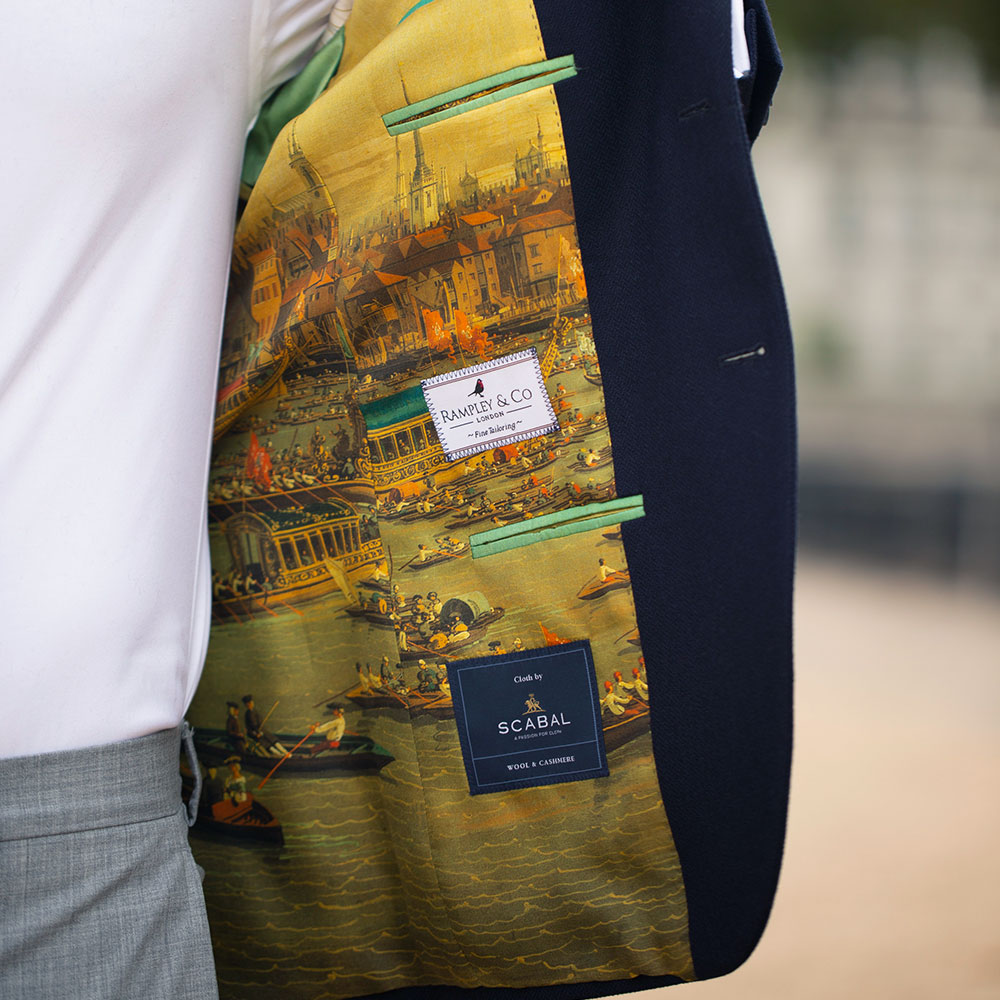
The lining is the part nobody sees until the jacket comes off, which is exactly the point. Most high street jackets are lined in polyester for cost reasons alone, while ours come fitted as standard with fine art silk linings reproducing works from masters including Canaletto, Turner and Rubens, printed across three panels per jacket so the image lines up correctly along the back seam. The choice of lining is included in the jacket price and selected from the full silk jacket linings collection, with a custom service available for anyone who wants something made to a design of their own. There is more on how a lining comes together in our linings video, featuring tailor Leonard Logsdail.
Three Looks
Three Ways to Wear a Navy Jacket
Casual. Rolled-hem chinos or pleated wool trousers strike the balance between informal and put together, paired with an open-neck Oxford twill shirt and a button-down collar. Beige or brown Chelsea boots work through the colder months, with lightweight brogues or loafers taking over once the weather turns.
Dressed Up. For anything more formal, trousers cut from the same cloth and pattern as the jacket give the most considered version of the look, finished with a handmade tie and a hand-rolled 100% silk pocket square. Lapel pins and cufflinks round out the formality where the occasion calls for it.
Everyday. A navy jacket holds up just as well doing nothing in particular: a knit layered over a cotton t-shirt in neutral tones, finished with desert boots or trainers for something that reads effortless rather than dressed for an occasion that doesn't exist.
Building the Outfit
What Colours Work Best With a Navy Jacket?
Navy earns its reputation as the most useful colour in tailoring largely because of how little thought the pairing requires, though a handful of combinations stand out above the rest.
Browns. Caramel, stone and tobacco all sit easily against navy, and a brown handmade tie or pocket square against a white shirt remains one of the most reliable combinations in menswear.
Greys. Navy and grey is close to foolproof, sharp whether the rest of the outfit leans casual or formal. A lighter shade of grey, particularly in a windowpane or houndstooth pattern, gives the most contrast.
Greens. Forest green knitwear layered under a navy jacket carries real heritage through the colder months, lending the outfit a richness that navy and grey alone rarely achieve on their own.
Finishing Details
The Best Ties, Pocket Squares and Socks to Wear With Navy
Navy's neutrality means there is room to experiment with accessories rather than playing it safe. A navy jacket with a red tie is the dependable option, while grey and navy together suits business settings and tonal dark blues work well for weddings. Seasonally, autumn favours forest greens, deep reds and brown tones against navy, while summer opens the door to softer blues, pinks and mint greens.

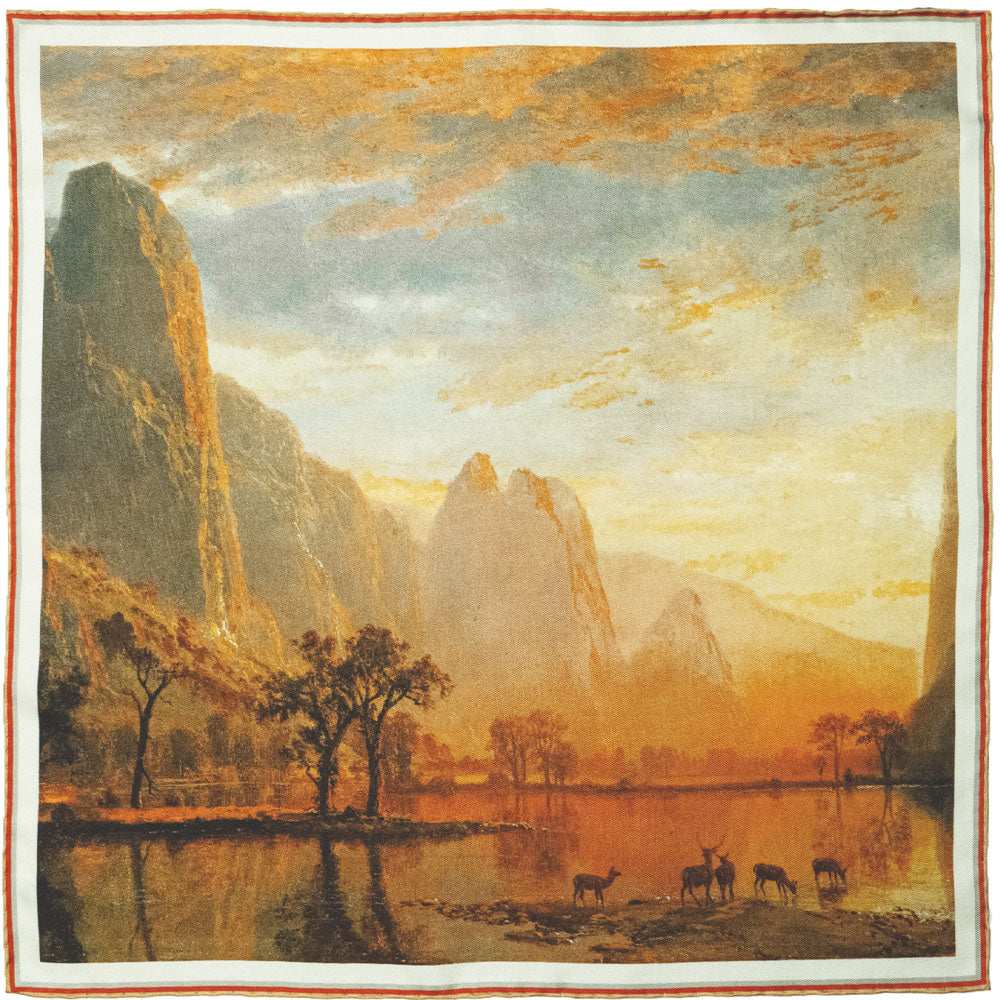
A pocket square earns its place by complementing the tie rather than matching it exactly, since a solid tie and a solid square in the same colour tends to flatten the whole outfit rather than finish it. The fold makes its own contribution too, covered in our pocket square folding guide. Down at sock level, black is perfectly acceptable with navy, the one rule worth remembering being that black socks and brown shoes rarely sit well together. Plain merino wool keeps things tonal, though a pattern is just as welcome where it suits the wearer.
The Last Word
Is a Navy Jacket Worth the Investment?
Navy never asks for credit the way a bolder colour does, which is precisely why it earns a permanent place in a working wardrobe rather than a seasonal one. Between the four versions covered here, a textured hopsack handles the broadest spread of occasions, cashmere carries the most weight day to day, a windowpane check gives a wardrobe already full of plain navy something to talk about, and velvet earns its keep the moment black tie comes round. Whichever version comes first, it is rarely the last navy jacket anyone buys.
Frequently Asked Questions
Your Questions Answered
What is the difference between a navy blazer and a navy tailored jacket?
A blazer is defined by its solid colour cloth and metal buttons, often carrying a nautical motif, and traditionally has no matching trousers. A tailored jacket usually has horn or corozo buttons rather than metal, a more structured cut, and can be made from the same cloth as a pair of trousers to form a suit. In everyday use the two terms overlap considerably and the distinction matters more to tailors than to anyone wearing the jacket.
What should you wear with a navy jacket?
Mid-grey flannel trousers are the most dependable pairing, with dark navy trousers a close second for a more formal, tonal look. Brown, grey and green all work well in shirts, ties and pocket squares against navy, and brown shoes are the safest footwear choice, though a charcoal-toned navy can carry black shoes convincingly.
Can you wear black shoes with a navy suit or jacket?
Yes, particularly with a formal navy suit in the office or for evening wear, where black shoes read as the more conventional choice. Brown shoes tend to suit the more casual end of navy tailoring better, softening the formality of the jacket rather than reinforcing it.
Is a navy jacket suitable for everyday, casual wear?
It is, and a textured or unstructured navy jacket in particular moves easily between settings. Worn over a t-shirt and knitwear with desert boots or trainers, it reads as considered rather than overdressed, which is part of what makes navy the most flexible colour in tailoring.
What fabric is best for a navy jacket?
Wool is the standard choice for a navy jacket meant to work across most of the year, with superfine merino offering the most versatile weight and hopsack adding texture without bulk. Cashmere gives a heavier, more substantial alternative for occasions that call for it, while cotton and linen suit warmer months better than a year-round wardrobe staple.
To view the full collection click on the button below.