

Grey Suit Combinations: How to Style a Grey Flannel Suit
The grey suit is the most underestimated piece in a wardrobe. It is more versatile than navy, more interesting than charcoal, and more demanding than both in the sense that it shows your choices rather than absorbing them. Get those choices right and a grey suit, in any shade and any season, is one of the strongest things you can wear. In this video, Chris Modoo uses the dark grey flannel suit as the starting point, but the shirt, tie, and pocket square logic applies equally to a mid grey worsted in July or a light grey hopsack at a summer wedding.
Shop the Video
 Dark-Grey Wool Flannel Jacket
 Burgundy & Blue Micro Dot Grenadine Tie
 Luncheon of the Boating Party by Renoir Pocket Square
 Navy Shantung Silk Tie
 Dusty Rose Cyanotype Silk Pocket Square
 Burgundy & White Micro Dot Silk Tie
 A Garden by Renoir Pocket Square
 Navy & Pale Blue Repeat Silk Tie
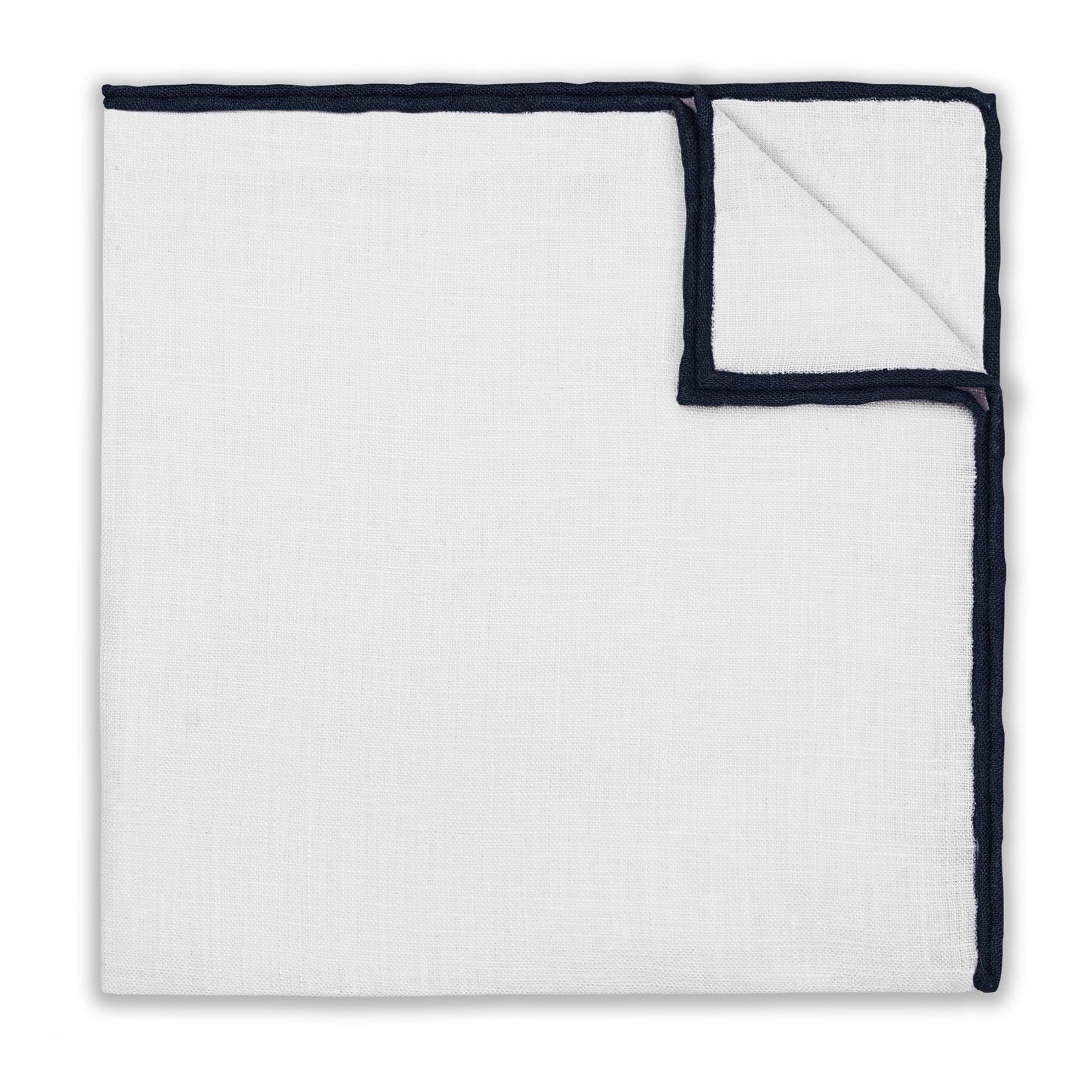 White & Navy Contrast Trim Linen Pocket Square
 Burgundy Medallion Cotton-Cashmere Blend Tie
 Rust & Teal Geometric Bandana
For more styling tutorials, subscribe to our channel
Subscribe to Our ChannelWhy flannel is different
What Makes a Dark Grey Flannel Suit Worth Owning
The grey flannel suit has quietly shed its mid-century reputation as the uniform of corporate anonymity. The man in the grey flannel suit, as cultural shorthand for soul-sapping conformity, was always a failure of imagination rather than a failure of cloth. Flannel itself is blameless. It is, in fact, one of the more romantic fabrics in tailoring.
The quality that sets a good flannel apart is the mélange. A piece-dyed flannel is a single, flat grey. A yarn-dyed flannel, woven from fibres dyed individually before the cloth is made, contains seven or eight distinct shades running from near-black through to off-white. It is still grey at any sensible viewing distance, but up close it has a depth and movement that smooth worsted cannot produce. This is why flannel photographs so well: the cloth reflects light differently across its surface, and the texture reads where a flat super-150s would simply disappear. If you are ever photographed for something professional, flannel rewards you in a way most cloths do not.
The other thing flannel does well is warmth. The brushed finish that gives it its characteristic hand also traps air and holds heat, which makes it a cloth that comes into its own from autumn through early spring. It is probably not your first suit or your second, but it earns its place once the basics are covered. For summer, the lighter grey jackets in the collection below are the right territory. Order two pairs of flannel trousers when you do commission it. The trousers tend to wear before the jacket, and flannel separates are worth having.

The details that matter
How Jacket Details Determine How Versatile a Grey Flannel Suit Can Be
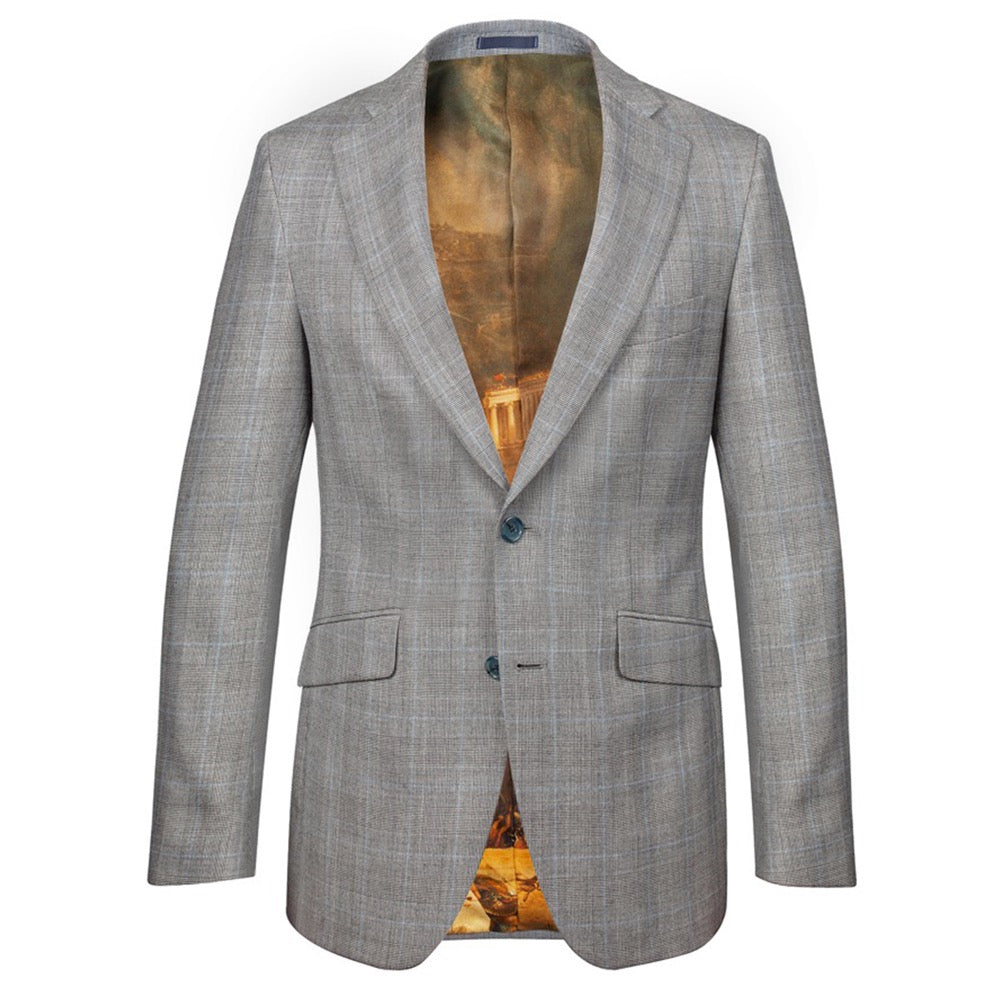
Two details on the Rampley & Co jacket used in this video determine how far it travels when you eventually wear it as a separate.
The first is the button. A standard high street grey flannel suit tends to have a black or dark grey button. This one has a polished horn. The difference is subtle but the effect is real: a horn button introduces a warm, slightly brown note that broadens the range of trousers you can bring to the jacket. Cavalry twill in a warm taupe, cream gabardine, even a soft beige will sit naturally against it in a way that a black button would resist.
The second is the pocket. Hacking pockets, the slanted flap pocket with a nod towards country tailoring and tweed jackets, give the grey flannel a sporting character that a straight welt pocket does not have. Combined with the horn button, they tip the jacket away from austere office uniform and towards something considerably more interesting. When you eventually break the suit up and wear the jacket without its matching trousers, these details are what stop it looking like an orphan suit jacket.
Choosing your grey
Grey Suit Combinations by Shade: Light Grey, Mid Grey, and Charcoal
The shade of grey you choose sets the formality register of everything else. It narrows the shirt options, changes what the tie has to do, and determines what the pocket square has to achieve before you have even opened a drawer. They are worth treating as three distinct garments rather than one colour in three concentrations.
Light grey sits closest to a neutral and reads as the least formal of the three. It is the cloth for summer. A light grey hopsack or superfine wool jacket in June reads as considered and fresh in a way that charcoal simply cannot. It is also the most demanding to dress well, because the suit itself provides so little tonal weight. The tie has to work harder than it would against darker grey: a navy knitted wool-cashmere or a deep burgundy shantung is the kind of anchor that stops a light grey suit dissolving into the background. A light grey suit with a blue and white bengal stripe shirt and a navy tie has a freshness that darker greys cannot match. The stripe provides the contrast the pale cloth cannot generate on its own. For summer weddings, a white shirt with a textured grenadine tie and a fine art silk pocket square is as appropriate in the garden of a country house in July as it is at a city registry office. For the office, light grey reads as less formal than mid or charcoal, which is an asset in some environments and a liability in others.
Mid grey is the most useful suit in the family. It has enough tonal depth to anchor a white shirt and dark tie without effort, enough neutrality to work with almost any colour you bring to it, and enough formal register to cover most professional and social situations without adjustment. A mid grey suit with a white shirt, a burgundy tie, and a silk pocket square works on a Tuesday morning, at a summer wedding, and at a smart dinner with almost no modification between them. If you own one grey suit, this is the one to own.
Charcoal sits at the border of grey and near-black and carries the most formal weight of the three. The classic combination of white shirt, dark tie, and white pocket square has a quiet authority against charcoal that it achieves against no other shade. It is also the grey that rewards deliberate deviation most. A pink shirt against charcoal lands with more contrast than it does against a lighter grey. A fine art pocket square in rich colour reads more clearly against the darker backdrop. The flannel version of charcoal, which is what Chris wears throughout this video, adds texture to that authority and makes the whole combination warmer and more interesting than a smooth charcoal worsted would be.
Shop the Grey Jacket Collection



Below the jacket
What Trousers and Shoes to Wear With a Grey Suit
The trouser question with a grey suit is straightforward when you are wearing it as a suit: the matching trouser, always. Where it becomes interesting is when the jacket is worn as a separate, or when you are building an outfit around grey flannel trousers rather than the full suit.
Mid grey flannel trousers are the most useful trouser in most wardrobes and they earn that reputation by working with almost everything except a grey flannel jacket in a different shade. Two different grey flannels read as a suit that has been accidentally separated rather than a considered combination. The mid grey flannel trouser belongs with navy jackets, dark blue blazers, and brown or tweed sports jackets. With a grey flannel suit jacket it simply reads as wrong.
For shoes, the classic choice is black, which is formal, correct, and occasionally predictable. Brown shoes against grey, particularly a lighter or mid grey, add warmth and make the outfit feel less corporate. A dark burnished burgundy is the strongest all-round option: it sits between the formality of black and the warmth of tan, and lifts a grey and navy combination in a way neither of the other options manages. Tobacco suede works well for lighter grey and smart casual contexts. The combination to avoid is mid-brown against charcoal, where the warmth of the shoe competes with the cool depth of the cloth without enough contrast to read as a deliberate choice.
Look one: the classic suit worn well
Pink and Grey: Why This Combination Works Better Than You Think
Pink against grey is one of those combinations that looks questionable on paper and entirely right on a person. The warmth of a pink shirt against the cool grey of flannel creates a tonal contrast that white cannot quite produce: white is clean, but pink is interesting. Dark reds and pinks together are an underused idea in tailoring, and the grey flannel suit is precisely the right context for it.
The tie in this look is a textured micro dot grenadine in burgundy and blue. The grenadine weave has an open, honeycomb surface that catches light in the same way the flannel does, which means the two cloths are in a conversation about texture rather than competing. The small dot in the tie connects back to the shirt, and the whole combination reads as considered rather than accidental. A grey-blue edged pocket square finishes the circuit without trying too hard: the navy trim echoes the blue in the tie, and nothing in the picture is fighting anything else.
For shoes in this version, black oxfords and a dark red sock. The sock is the kind of detail that ties a dressed outfit together from the ground up without announcing itself across the room.
Look two: winter wedding
How to Wear a Dark Grey Flannel Suit to a Winter Wedding
A winter wedding calls for something with occasion to it, and the charcoal flannel suit is well placed to deliver it. This look pairs the charcoal jacket with a stony grey flannel waistcoat. Both are flannel, and the instinct might be that matching textures would flatten the outfit. The opposite happens. Because the waistcoat is a lighter, distinctly different shade of grey, the two read as deliberate rather than accidentally mismatched. A limited colour palette with real sophistication in it.
Blue and grey work naturally together because they share the same cool tonal register while remaining distinct. The navy shantung tie adds texture: the nubbiness of a shantung weave against the smooth richness of the flannel is the kind of detail that rewards close attention. A subtle stripe shirt sits underneath, and a linen pocket square with navy edges finishes the look. Linen in winter is entirely correct when the rest of the outfit has weight, and the navy trim picks up the tie without matching it. For shoes, a dark burnished burgundy, highly polished. The colour connects to the warm tones in the combination and lifts the whole thing.
Look three: high-low dressing
How to Wear a Grey Flannel Suit with a Chambray Shirt
High-low dressing is one of those ideas that sounds like a styling shorthand and turns out to be a genuine principle. A chambray denim shirt with a formal collar, worn with the grey flannel suit and a tie, works precisely because the two registers are in dialogue. The shirt is casual. The suit is formal. The tie, in a silk blend with good texture, draws both together and tells the room that you know exactly what you are doing.
The pocket square in this look is more flamboyant than in the classic suit version, which is correct. When the shirt is doing something relaxed, the pocket square can carry more of the outfit's dressed-up character. A fine art silk print with real colour reads as the deliberate choice the chambray shirt is not. It is a smart restaurant look, or a dinner where you want to wear a tie and also demonstrate that you have a life outside the office.
Footwear moves towards casual here. A mid-tone suede loafer in tobacco or tan keeps the outfit in the right register. The suit is still the suit. The shoes are doing the conversational work.
Explore the Tie Collection

Look four: the grey flannel sports jacket
How to Wear a Grey Flannel Jacket as a Sports Jacket
The grey flannel suit broken up and worn as a sports jacket is a more delicate operation than the equivalent exercise with a navy blazer. The reason is that a grey flannel jacket is not an obvious odd jacket. It lacks the sporting confidence of a tweed and the casual authority of a navy blazer. Worn with the wrong trousers, it looks like a man who left the house quickly and grabbed the wrong jacket.
The trousers to avoid are mid-grey flannel in a different shade: the two greys read as a suit that has been accidentally separated. What works instead is contrast in both tone and texture. Light or off-white colours, cream or pale cavalry twill, sit clearly apart from the dark charcoal of the jacket. A taupe cavalry twill, particularly one with a visible weave structure, provides texture contrast that makes the jacket look deliberate rather than orphaned. The horn buttons earn their worth here: their warm tone bridges the gap between the dark jacket and the lighter trouser naturally.
A stripe open-neck shirt with the grey flannel jacket, treated as a navy blazer substitute, is a strong option. A geometric bandana tied at the neck in place of a tie completes the register. Bottle-green corduroy is a compelling trouser choice: the texture of the cord against the flannel, and the green against the grey, creates the kind of contrast that makes the outfit read as deliberate. A chunky Chelsea boot with a Dainite sole finishes it correctly.

Look five: without a tie
Grey Flannel with Knitwear: Roll Neck, Crew Neck, and No Tie
The grey flannel suit with a cashmere roll neck is a combination that carries a kind of formal elegance the open-neck shirt cannot quite match. Both are cold-weather fabrics, both have a softness that sits naturally together, and the roll neck fills the collar space with something that reads as intentional rather than casual. There is a formality to a well-fitted roll neck under a suit jacket that competes with a tie for authority while carrying none of its stuffiness.
The tonal logic is simple. A mid-grey or charcoal cashmere roll neck under a dark grey flannel jacket creates tonal dressing in which all the interest is in the texture of the two cloths rather than in colour contrast. The flannel's mélange and the cashmere's pile work together in the same way a grenadine tie works against flannel: two rich surfaces that make each other more visible.
A crew neck cashmere in the same tonal family works on the same principle. This is a smart casual look that holds its own in most contexts, and it travels well. Wear the jacket and roll neck as a suit look, or break it up with dark indigo jeans that are slim but not tight for a late-winter evening that requires effort without formality.
Flannel runs warm into early spring. On a cool spring day it functions as outerwear in its own right, removing the need for an overcoat. A cashmere scarf at the neck handles the remaining chill without adding a layer you will end up carrying.
Texture and grey flannel
Why Every Texture You Wear Against Grey Flannel Comes Alive
There is a reason Chris returns to this point in the video: it is the essential insight about dressing grey flannel well. The cloth has such a rich, warm surface that other textures placed against it are amplified. The nubbiness of a shantung tie looks better against flannel than against a flat worsted. The open honeycomb of a grenadine reads more clearly. The slub in a linen pocket square is more visible. Even the faint surface irregularity of a stripe shirt becomes more apparent.
This is partly physics and partly perception. The flannel's mélange creates a background of micro-contrast that makes the surface characteristics of other cloths more legible. It is also why flannel looks so good in photographs: the reflective properties of the cloth are complex enough to give the image depth that a flat cloth would not have.
The practical lesson is to lean into texture when dressing grey flannel rather than defaulting to smooth, flat cloths throughout. A smooth worsted tie against a flannel suit is not wrong, but a grenadine, a shantung, a knitted wool-cashmere, or a madder silk will reward you considerably more. The same applies to the shirt: a subtle bengal stripe or a textured oxford cloth gives the combination something to work with. The cloth is doing half the work. Give it something interesting to talk to.

Frequently Asked Questions
Grey Suit Combinations: Your Questions Answered
What is the difference between light grey, mid grey, and charcoal for a suit?
Light grey is the least formal and the most difficult to dress well, because it provides very little tonal anchor on its own. Mid grey is the most versatile: it reads as professional without being corporate, works across most occasions without adjustment, and takes a wide range of shirt, tie, and pocket square combinations. Charcoal is the most formal and the most rewarding when you deviate from standard combinations deliberately. As a general rule, the darker the grey the more formal the register, and the more visible the contrast when you introduce colour against it.
What shoes go best with a grey suit?
Black oxfords are the formal default and are correct with charcoal in particular. Brown shoes add warmth and work well with mid and light grey, making the outfit feel less corporate. A dark burnished burgundy is the strongest all-round choice: it sits between the formality of black and the warmth of tan, and lifts a grey and navy combination in a way neither other option manages. Tobacco suede works well for smart casual contexts and lighter grey. Avoid mid-brown against charcoal, where the warm shoe competes with the cool cloth without enough contrast to read as intentional.
What is a grey flannel suit good for?
A dark grey flannel suit is one of the most versatile pieces in a wardrobe once you move past the basics. It works for formal office environments, winter weddings, smart casual dinners, and when the jacket is broken up from the trousers, a surprisingly wide range of sports jacket combinations. The cloth's weight and texture give it a quiet authority that smooth worsted cannot produce, and it photographs exceptionally well. It is best suited to autumn through early spring, and in most UK climates it can carry into spring and replace an overcoat on milder days.
What tie goes with a dark grey flannel suit?
Textured ties work best against grey flannel because the cloth's surface amplifies whatever texture it meets. A grenadine tie in burgundy or navy, a shantung in navy or brown, or a knitted wool-cashmere in midnight blue all sit naturally against flannel and become more interesting for being there. Smooth, flat ties are not wrong, but they miss an opportunity the cloth offers. The colour families that work best are navy, burgundy, and warm dark reds, all of which provide clear contrast against the grey without competing with the cloth's own character.
Can you wear a grey flannel suit jacket as a sports jacket?
Yes, but with care. The key is to avoid mid-grey trousers in a different flannel, which reads as an accidentally separated suit. The trousers that work best are either clearly lighter in tone, such as cream or pale cavalry twill, or clearly different in texture, such as corduroy or a taupe twill. Jacket details help too: horn buttons and hacking pockets give a grey flannel jacket a sporting character that makes it read as an intentional choice rather than an orphaned suit jacket. The outfit needs more contrast in trousers and more casual footwear to succeed.
What shirt colours work best with a dark grey flannel suit?
Pink and grey is a particularly strong combination: the warmth of a pink shirt against the cool grey flannel creates a tonal contrast that white cannot produce. White is clean and reliable. A subtle stripe shirt in blue or pink adds structure without competing. For less formal looks, a chambray denim shirt with a formal collar worn under the suit with a tie is a high-low combination that works well for a smart restaurant or dinner where you want to dress with intention without appearing corporate. The flannel is neutral enough to accept almost any colour; the most important variable is usually the texture of the shirt rather than its colour.
Can you wear a grey flannel suit without a tie?
Yes, and a cashmere roll neck or crew neck under the suit jacket is a strong alternative to an open-neck shirt. The roll neck fills the collar space with something that reads as deliberate rather than casual, and the combination of flannel and cashmere has a formal elegance that competes with a tie for authority. For a tieless open-collar look, the pocket square carries more of the outfit's character on its own, so it should be something with real colour or a fine art print. Without a tie and without a pocket square, the combination simply reads as incomplete.
What is the best grey suit for summer?
For summer, light grey in a lighter cloth is the right choice. A hopsack weave, a superfine wool, or a wool-linen blend in light grey breathes well, looks fresh in warm weather, and takes the same shirt, tie, and pocket square combinations as its heavier winter cousins. Flannel specifically is a cold-weather cloth and becomes uncomfortable once genuinely warm days arrive, but a light grey jacket in a lighter cloth works from late spring through early autumn without difficulty. For summer weddings in particular, a light grey jacket with a white shirt, a textured tie, and a fine art silk pocket square is a combination that reads as considered rather than default.
To view the full tailored jacket collection, click on the button below.