

The Essential Pocket Squares You Need
A pocket square is the simplest thing you can do for your jacket. One piece of cloth, folded twice, and an outfit that looked finished suddenly looks considered. Austin and Chris walk through exactly where to start, what to add next, and the few things that matter more than most people realise.
- Start with white silk. It works with everything and never dates.
- Add texture and colour gradually, one piece at a time.
- Pay as much attention to construction as to pattern.
Shop the Video

For more styling tutorials subscribe to our channel here:
Subscribe to Our ChannelThe Foundation
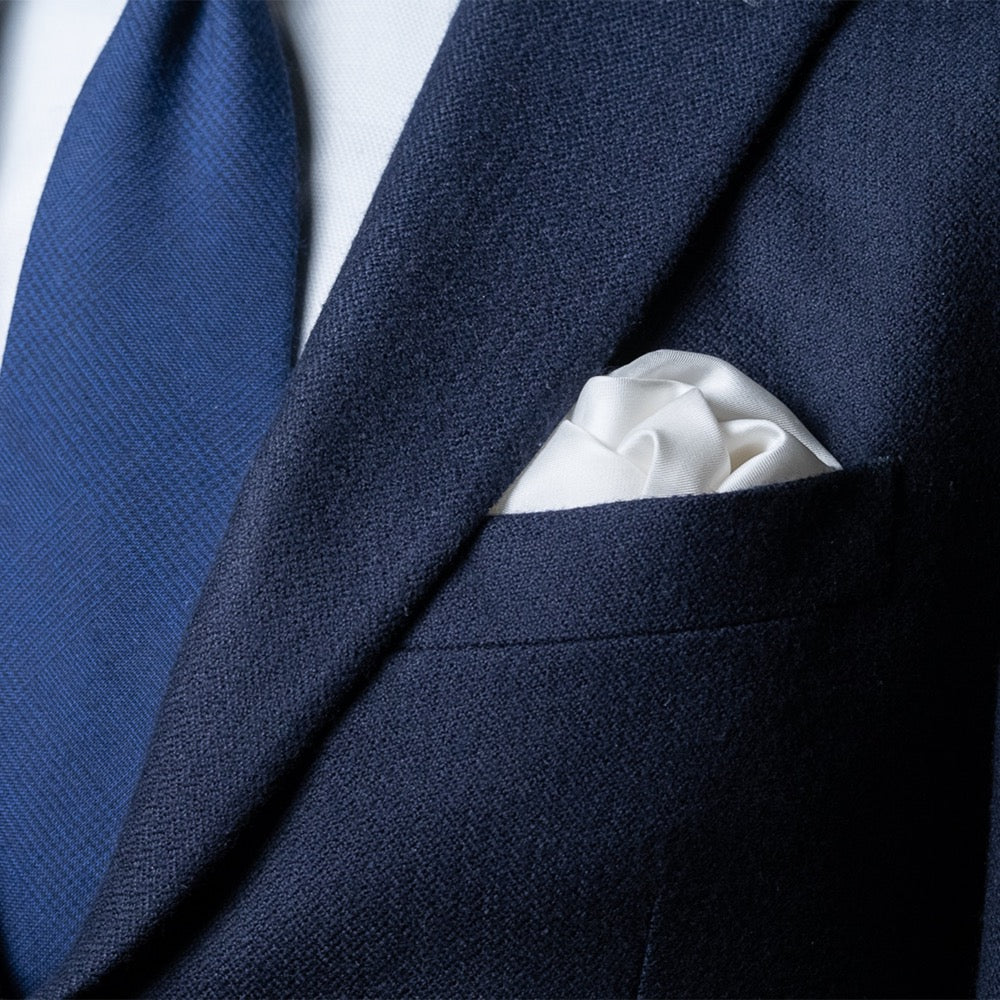
Where to Begin: The Case for Starting with White Silk
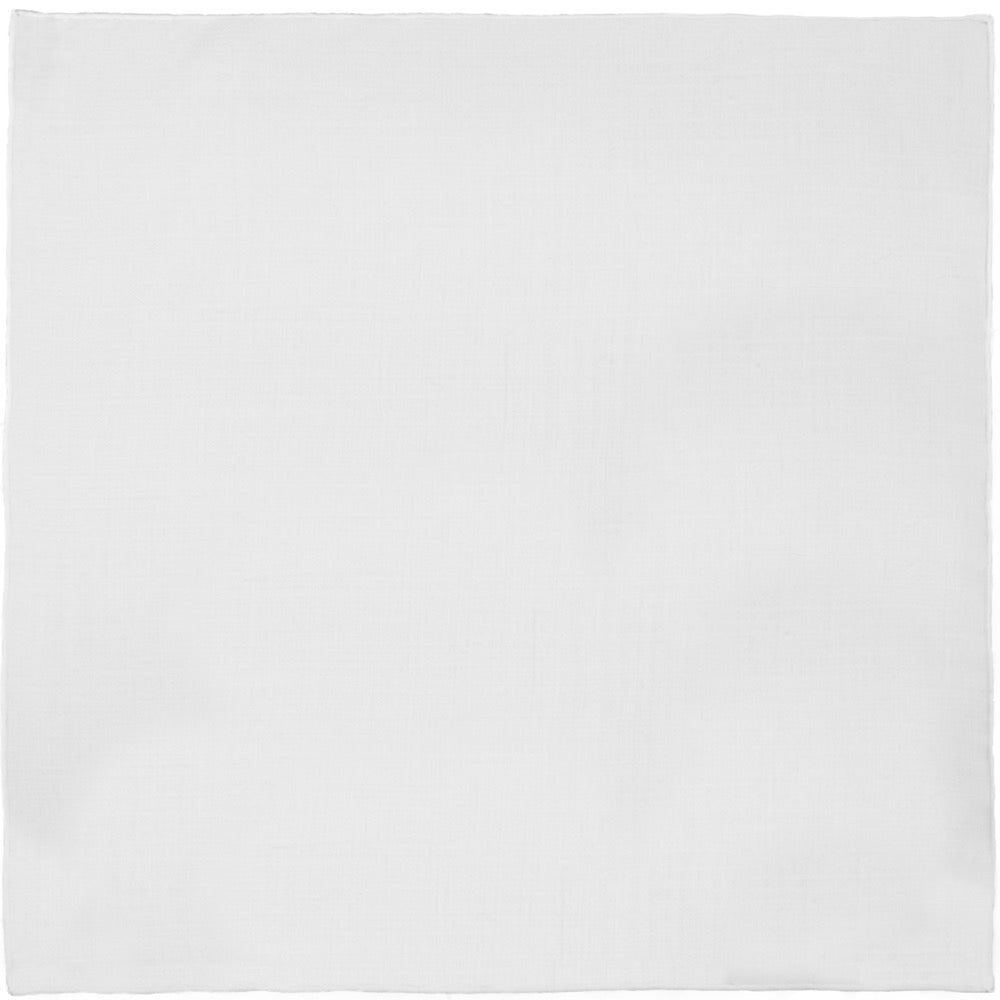
Most men come to the pocket square the same way. There is a wedding, or a black-tie dinner, and the jacket feels incomplete without something in the breast pocket. A white silk square goes in, it looks right, and from that point forward a drawer starts to fill. It is almost a universal origin story, and there is good reason for it: white silk is the most versatile thing you can put in a jacket pocket. It works with morning dress, black tie, business suits, navy blazers and weekend sports jackets without complaint. The colour recedes and lets the jacket do the talking.
The one caveat worth noting: if you wear a lot of cream shirts, white silk can create an unflattering contrast, making the cream look dingy against the brightness of the silk. It is a minor consideration, but worth bearing in mind if cream is a significant part of your wardrobe. For almost everyone else, white silk is a safe and correct starting point. Once you have it, you will reach for it constantly.
Step Two
The Second Pocket Square: Adding Texture with White Linen
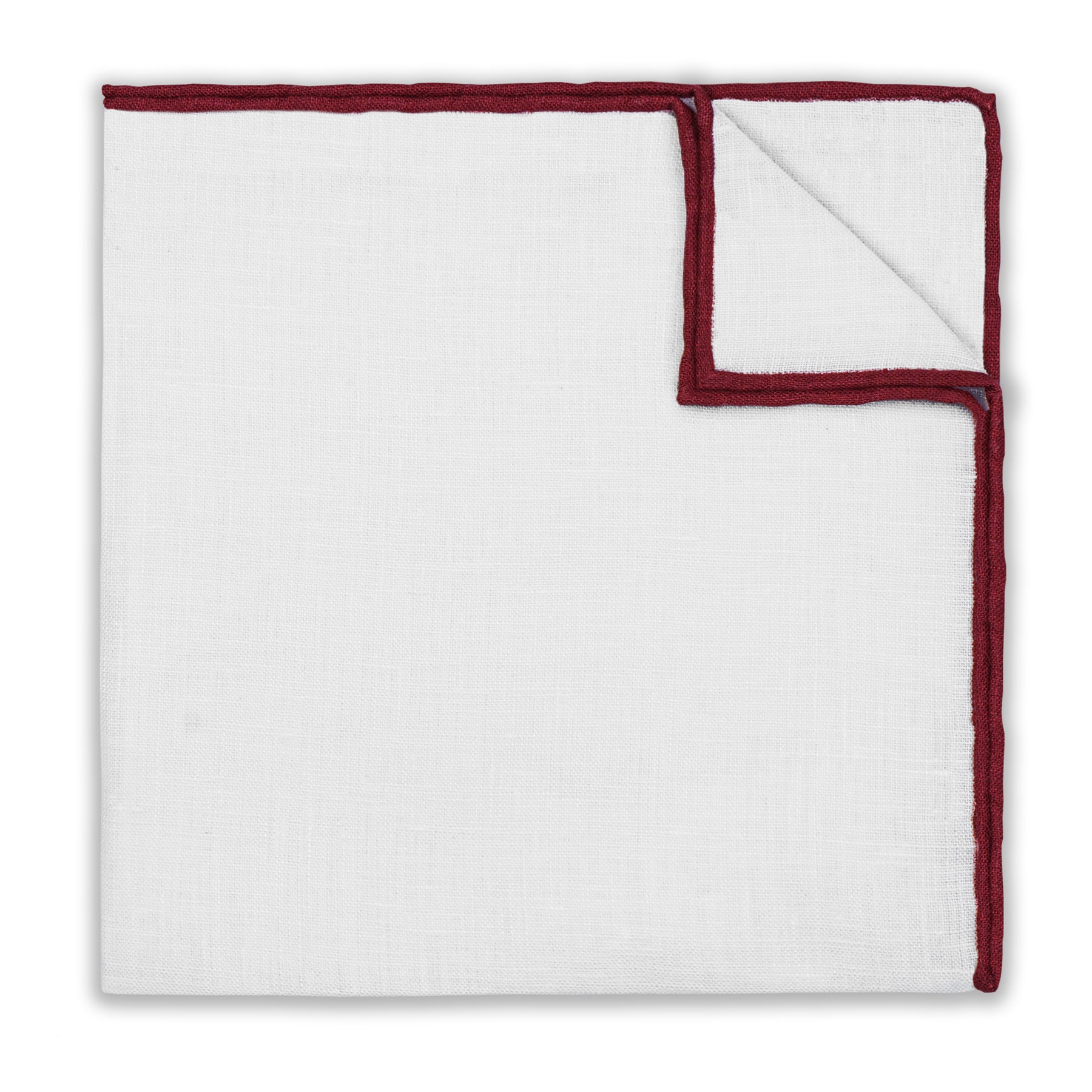
Once you have white silk, the natural next move is white linen with a coloured border. At first glance it seems like a marginal step, but the introduction of a second texture changes things considerably. Linen has more body than silk, a slightly rougher hand, and it holds a fold differently. A straight flat fold in white linen has a crispness that white silk cannot quite replicate. It is the flat fold in its natural habitat: clean lines, no fuss, the suggestion of someone who has done this a thousand times without needing to think about it.
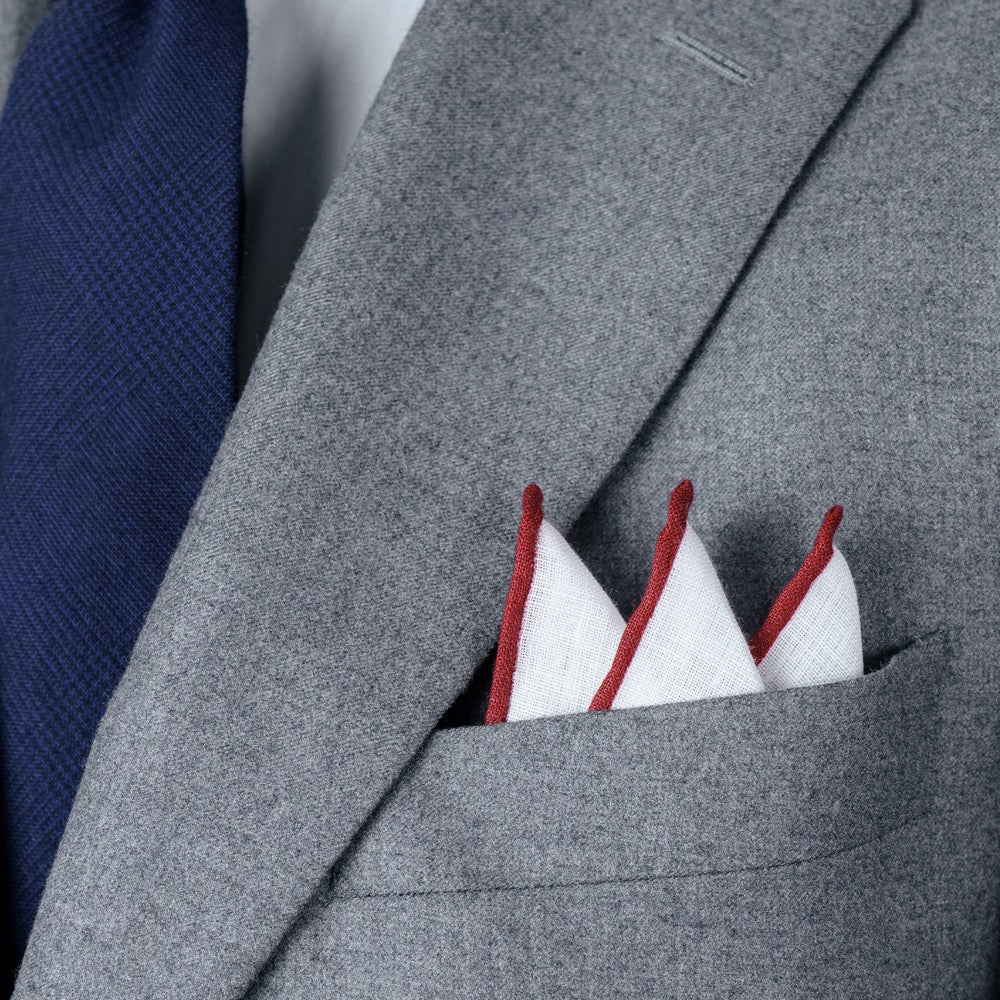
The border is the more interesting detail. A contrast trim, whether a burgundy, navy or gold edge, gives you multiple looks from a single piece of cloth. Fold it so only white shows and the effect is formal and quiet. Open the fold to reveal the coloured edge and the whole character shifts: a little more personality, a little more colour, without having committed to a pattern. That versatility is the point. Two pocket squares with borders effectively behave like four or five, depending on how they are worn.
By showing the edges you get a lot more interest in what you are wearing. One pocket square can produce entirely different looks depending on the fold.
Step Three
Introducing Colour: Why Navy Is the Right Third Step
With two whites in the drawer, the logical progression is into colour. Navy is the most reliable move here, for much the same reason that a navy tie or navy blazer tends to be reliable: it sits comfortably alongside most colours in a man's wardrobe without dominating them. A navy pocket square with a contrast border gives you a monochromatic option for business suits that reads as composed rather than safe, and it introduces a depth of colour that opens up the mid-week wardrobe considerably.
There is a texture point worth making here. A silk pocket square in navy has a particular quality of light: a gentle sheen, a slight luminosity. Pair it with a tie in a different weave, a shantung silk or a knitted silk, and the contrast between surfaces becomes part of the effect. This is the kind of detail that does not announce itself loudly but rewards attention when someone looks closely.
One rule that applies at this stage and every stage thereafter: do not match your pocket square to your tie. A pocket square that matches the tie too precisely produces one of two effects. Either it looks like you bought them as a set, which the discerning eye regards as a small defeat, or it looks like you tried to match them by memory and got it marginally wrong, which is somehow worse. Colour and tone can complement; exact replication should be avoided.


Step Four
Adding a Repeat Pattern: Versatility in a Single Piece
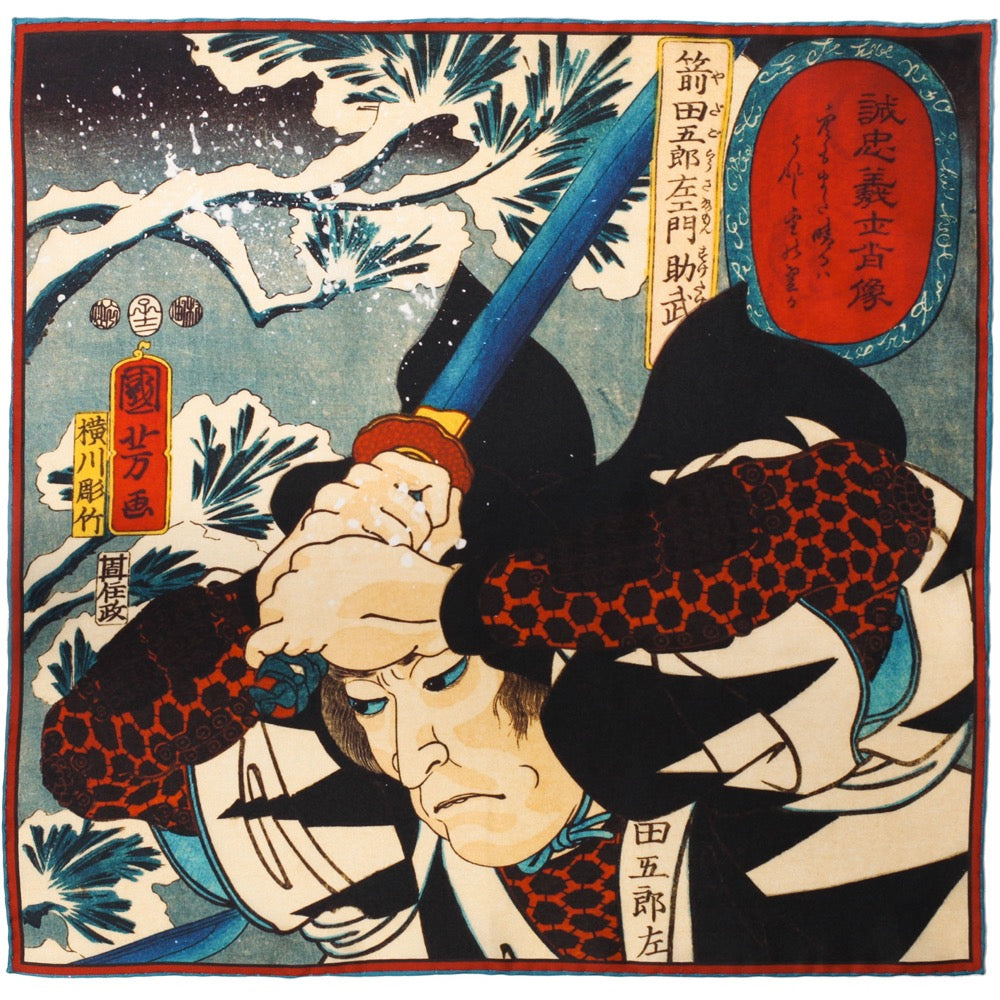
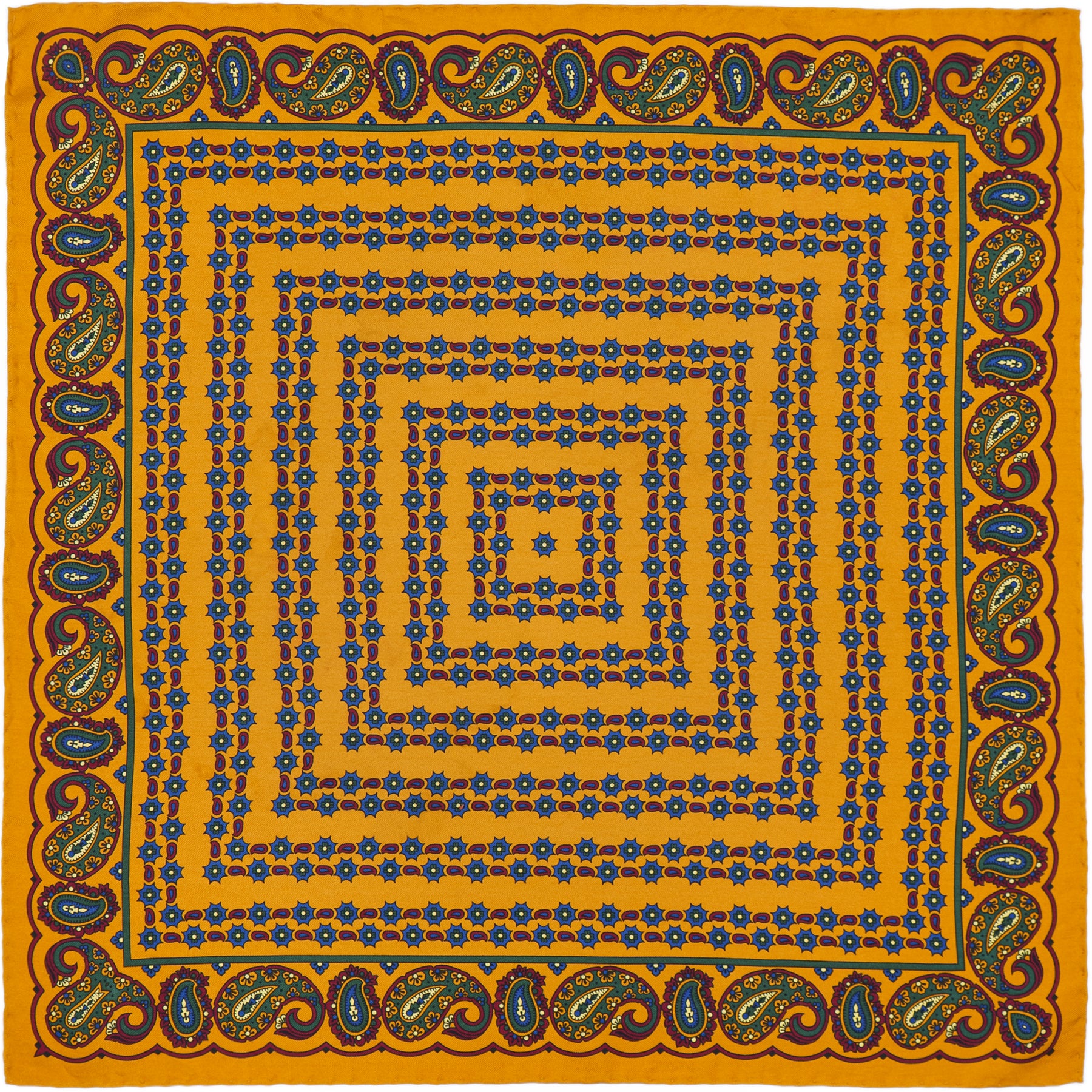
A repeat pattern pocket square is the one that surprises most people the first time they try it. Held in the hand, a paisley or geometric repeat can look bold to the point of intimidating. In the pocket, where only a corner or a folded edge is visible, the same piece becomes entirely legible. You see a flash of pattern, a suggestion of colour, and the rest is controlled by how much you choose to reveal.
Blue is an excellent colour to start with in a repeat pattern. A steel blue sits at home with charcoal suits and grey trousers in the office as comfortably as it does with tweeds, greens and earthy browns at the weekend. A versatile repeat pattern pocket square in a cooler palette functions almost as a signalling device for the rest of your wardrobe: the colours worked into the background and the border indicate what ties to reach for next. Traces of navy, hints of green, points of contrast. These are the directions your tie collection should travel in.


What to Look For
Why Construction Matters More Than It Looks

It is easy to be led by colour and pattern when choosing pocket squares, and colour and pattern matter. But construction is what separates a pocket square that performs well from one that does not. The key detail is the hand-rolled edge.
A hand-rolled edge is not a shorthand for quality in the way that copywriters sometimes suggest; it has specific, practical consequences for how a pocket square behaves. The rolled edge creates a slightly raised, rounded border around the square. That border gives the fabric structure. When you fold a pocket square with a hand-rolled edge, the points stay where you put them. They sit upright. The fabric responds to the fold rather than relaxing away from it. A pocket square without a hand-rolled edge tends to behave limply in the pocket, requiring constant adjustment and producing the exact self-conscious fussing that everyone wants to avoid.
The other consideration is size. For silk pocket squares, the correct size sits around 42cm by 42cm. Much smaller and the square will slide down into the pocket with any movement of the jacket. Much larger and the bulk becomes unmanageable. Linen and heavier fabrics work well at a smaller dimension because the structure of the fabric compensates for what it loses in size. Our pocket square folding guides cover all the main folds across different fabrics and occasions.
A hand-rolled edge is not decoration. It is what keeps the points where you put them.
Occasion & Season
How to Match Pocket Squares to the Occasion
Where a pocket square is worn matters as much as what it looks like. For formal evening wear, black tie and morning dress, white silk in a flat fold is the most elegant choice. Points are also entirely correct and have a long tradition. The formality of the fold matches the formality of the occasion. A rich jewel colour, a deep ruby or a dark teal, can work well for evening events where the atmosphere is more relaxed.
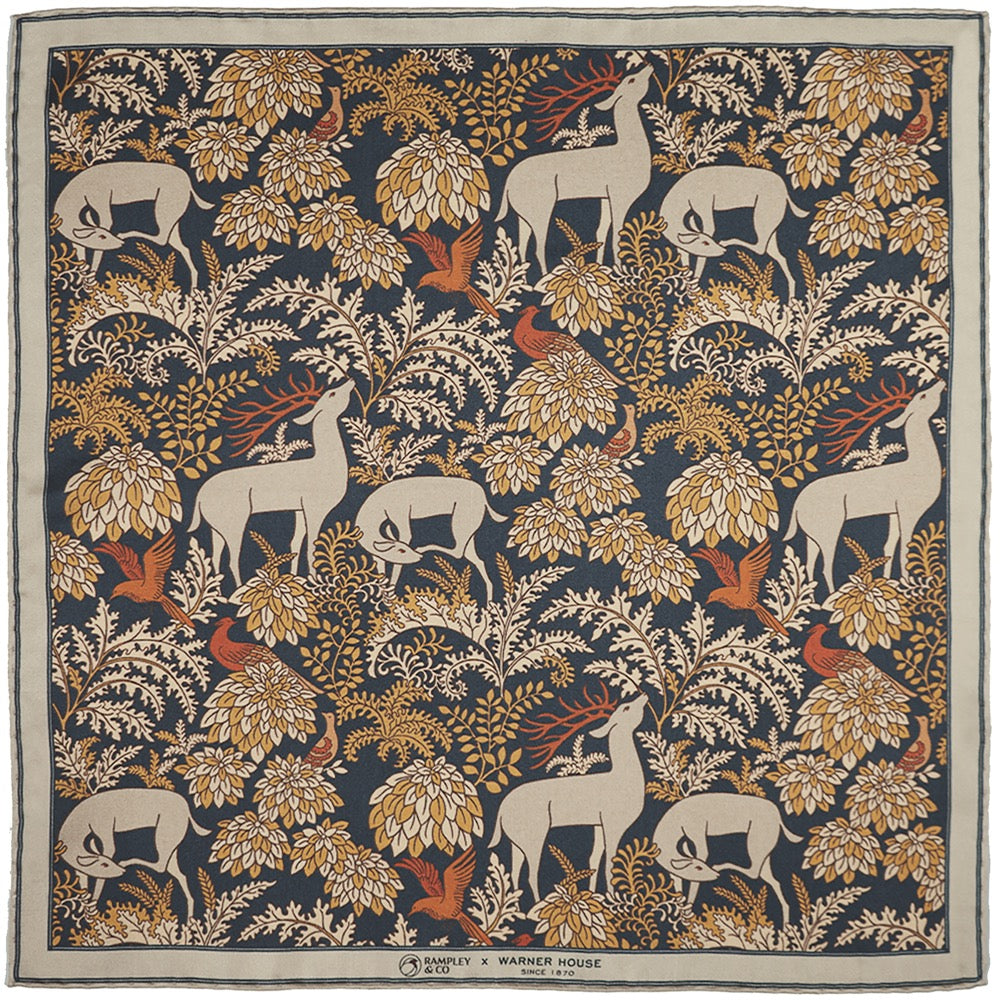
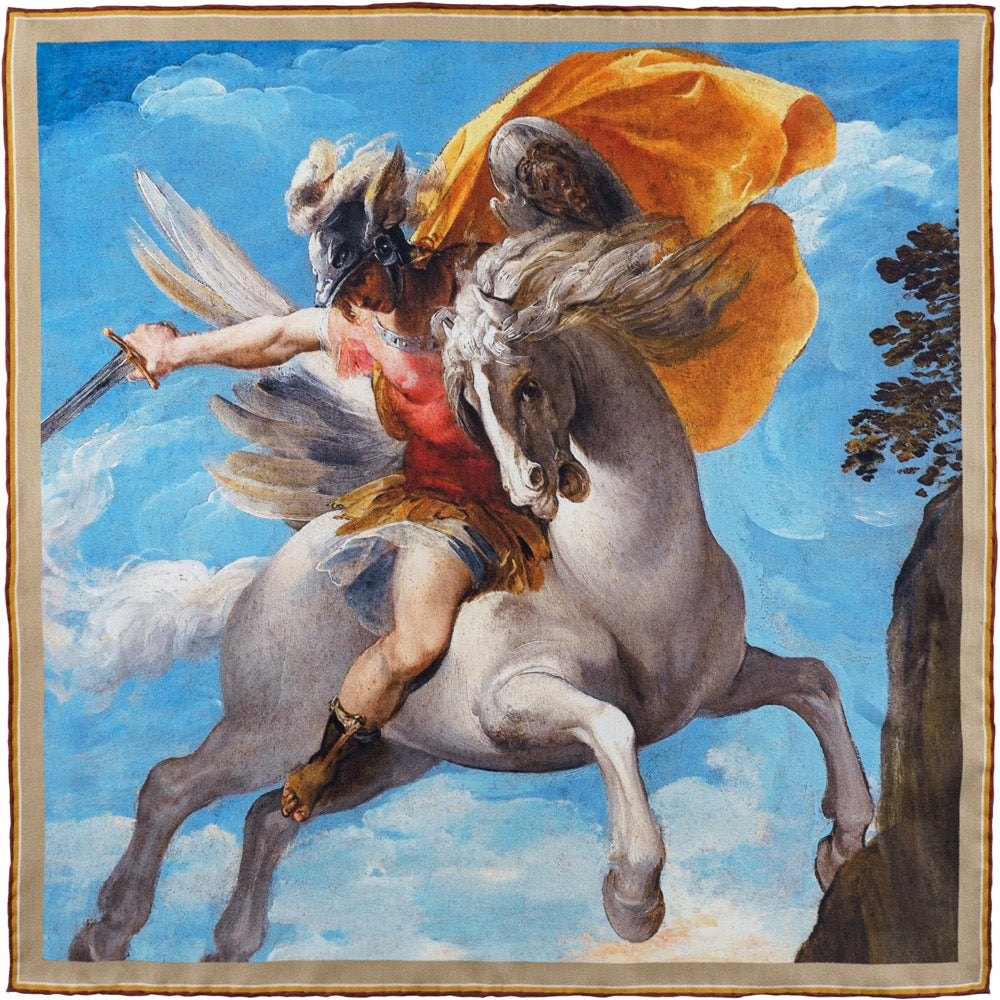
For business and smart-casual wear, the range opens up considerably. Repeat patterns in contained, professional colour palettes earn their place here. The warmer end of the spectrum, a chestnut or camel jacket, is where fine art and painterly pocket squares earn their keep. A pocket square does not need to match the jacket. It needs to speak the same colour language.
For weekend wear with tweeds, sports jackets and more casual tailoring, the palette shifts. Warmer, earthier colours, ochres, greens, rusts and burgundies, sit more comfortably with the cloth weights and textures involved. A madder silk pocket square, with its characteristic soft, matte surface and complex colour, carries this register particularly well. The Ancient Madder process produces colour that appears to sit within the cloth rather than on top of it, an effect that suits relaxed tailoring better than a polished printed silk would.


Technique
How to Fold a Pocket Square: Three Folds That Cover Every Situation

There are many pocket square folds, and guides to each of them have been written countless times. In practice, three folds cover almost everything.
-
The Puff Fold
Pull the pocket square from the centre, bring the edges up loosely around it, and lower the resulting bundle into the pocket so that a soft, rounded cushion of fabric shows above the pocket line. Double it down slightly if needed and forget about it. It looks relaxed, works across virtually all fabrics, and takes about fifteen seconds. This is the fold for a Tuesday morning when you are already running slightly late.
-
The Flat Fold
Fold the pocket square into a neat rectangle with a clean straight edge showing above the pocket line. Also called the presidential fold, it is technically the more formal of the three, but worn with a sports coat it reads as considered rather than stiff. A white linen square in a flat fold has a quiet confidence to it that points and puffs do not quite achieve.
-
Points (for evening)
One, two or three points are most at home for evening wear and formal occasions. They require more time, a flat surface, and some prior practice. The effort pays off when the jacket is a dinner suit or morning coat. For everything else, the puff or the flat fold will serve you reliably without requiring you to think about it once the square is in the pocket.
Care & Storage
How to Store Pocket Squares Correctly
Storage is the thing most people do not consider until they have a collection. The simplest approach is to fold them neatly and keep them flat in a drawer, organised by colour or type. A trouser hanger works equally well, with squares draped over the bar. Either method keeps the fabric from developing persistent creases.
The one thing to avoid is leaving pocket squares in the jacket pocket overnight or for extended periods. A pocket square left in situ will, over time, deform the shape of the pocket itself. The pocket gradually stretches and begins to sit differently, which affects the line of the jacket from the outside. The habit of removing the pocket square at the end of the day protects both the square and the jacket.
From the Collection


Wearing It Well
On Wearing a Pocket Square with Confidence
There is a recognisable tell when someone is wearing a pocket square for the first time. They glance down at it. They adjust it. They pull it upward slightly, then push it back. The pocket square is wearing them rather than the other way around.
The solution is simple to state and takes a short period of practice to internalise: put it in the pocket in the way you want it to look, and then stop touching it. The pocket square is a small object. Its effect comes from its presence, not from its precision. No one standing opposite you can see the millimetre difference between a fold that sits perfectly and one that sits almost perfectly. What they can see is whether you are comfortable with it or anxious about it. Confidence in dress is quiet. The pocket square should settle into the outfit as though it was always there.
For ideas on growing the collection further, the pocket square folding guide covers every major fold across different fabrics, and the full pocket square collection is a useful place to find what your wardrobe is missing.
Frequently Asked Questions
Your Questions Answered
What pocket square should I buy first?
A white mulberry silk pocket square. It works with virtually every jacket, every colour of suit, and every level of formality from black tie to a casual navy blazer. It is the one piece that genuinely belongs in every wardrobe.
What size should a silk pocket square be?
Around 42cm by 42cm for a silk pocket square. Any smaller and it will slip down inside the pocket with movement; any larger and it becomes difficult to fold neatly. Linen and heavier fabric pocket squares work well at around 33cm, where the structure of the fabric compensates for the reduced size.
Should a pocket square match the tie?
No. A pocket square that matches the tie too closely looks either like a set bought together or like an attempt at coordination that almost worked. The colours can complement and share tones, but exact matching should be avoided. The pocket square and the tie are separate objects doing different jobs.
What is the easiest pocket square fold for everyday wear?
The puff fold. Pull the pocket square from the centre, gather the edges loosely, lower it into the pocket so a soft mound of fabric shows above the line, and fold it down slightly to control the volume. It takes less than twenty seconds and works with any fabric. For a more formal effect, the flat fold, a clean straight edge above the pocket, requires minimal effort and works well for both business and smart-casual dress.
Why does a hand-rolled edge matter on a pocket square?
A hand-rolled edge creates a raised, rounded border that gives the pocket square structure. Points stay where you place them and the fabric responds to a fold rather than slumping away from it. Without a hand-rolled edge, a pocket square tends to lose its shape in the pocket and requires constant adjustment.
Can I wear a pocket square without a tie?
Yes, and it works well. A white linen pocket square in a flat fold with a sports coat is a clean, considered combination. The formality of the fold balances the informality of the look. It reads as intentional rather than dressed-down.
How should I store pocket squares?
Folded flat in a drawer, or draped over a trouser hanger. The important thing is to remove them from the jacket pocket at the end of the day. A pocket square left in situ will gradually deform the shape of the breast pocket, affecting how the jacket hangs over time.
To view the full collection click on the button below.