

How To Fold A Pocket Square For A Wedding
A wedding is one of the few occasions where the pocket square does real work. The ceremony, the photographs, the long afternoon: all of it happens in close quarters, and what sits in your breast pocket will be noticed. The fold you choose matters almost as much as the square itself. Here are four to know, running from the formally precise to the agreeably relaxed.
Shop the Video
 Goldfinch by William Lewin Pocket Square
£[Price]
Goldfinch by William Lewin Pocket Square
£[Price]
 Portrait of Yada Gorosaemon Suketake Pocket Square
£[Price]
Portrait of Yada Gorosaemon Suketake Pocket Square
£[Price]
 The Colours, Advance of the Scots Guards at the Alma Pocket Square
£[Price]
The Colours, Advance of the Scots Guards at the Alma Pocket Square
£[Price]
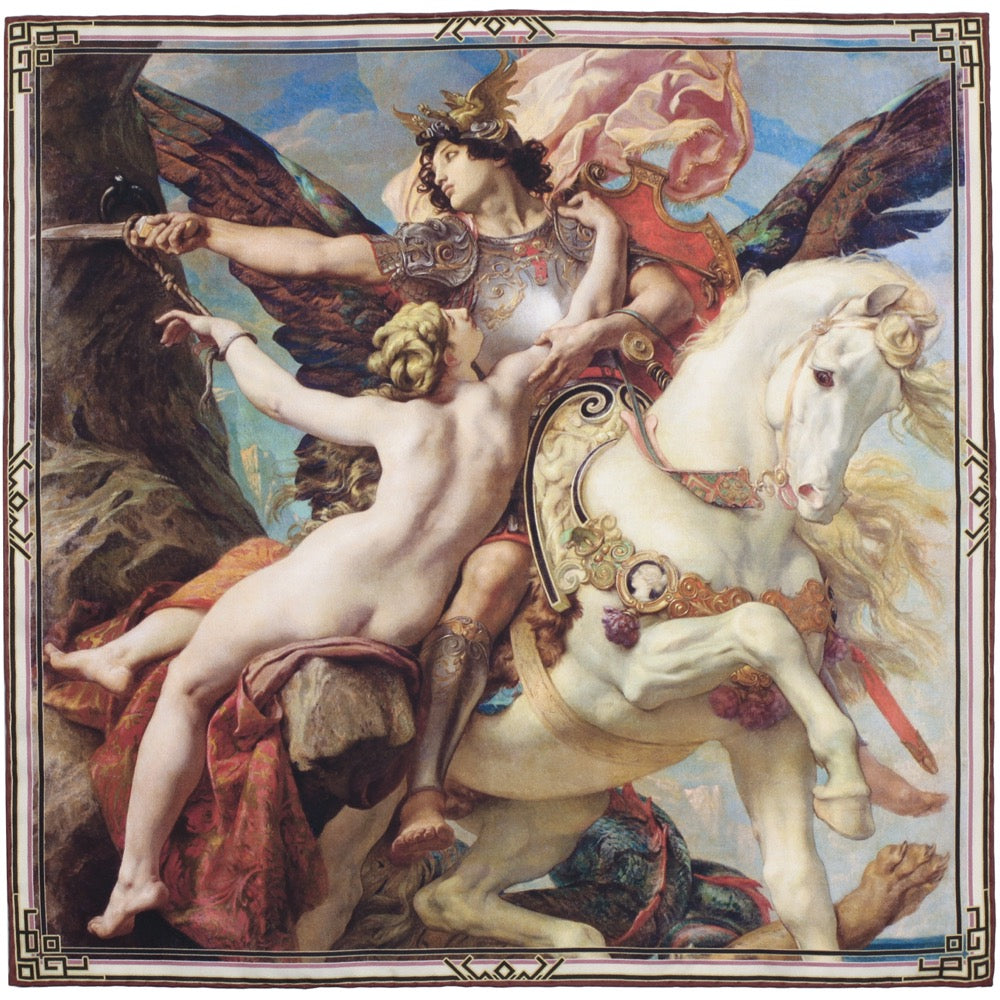 The Deliverance, Ruggiero and Angelica Pocket Square
£[Price]
The Deliverance, Ruggiero and Angelica Pocket Square
£[Price]
 Jannah, Teal Pocket Square
£[Price]
Jannah, Teal Pocket Square
£[Price]
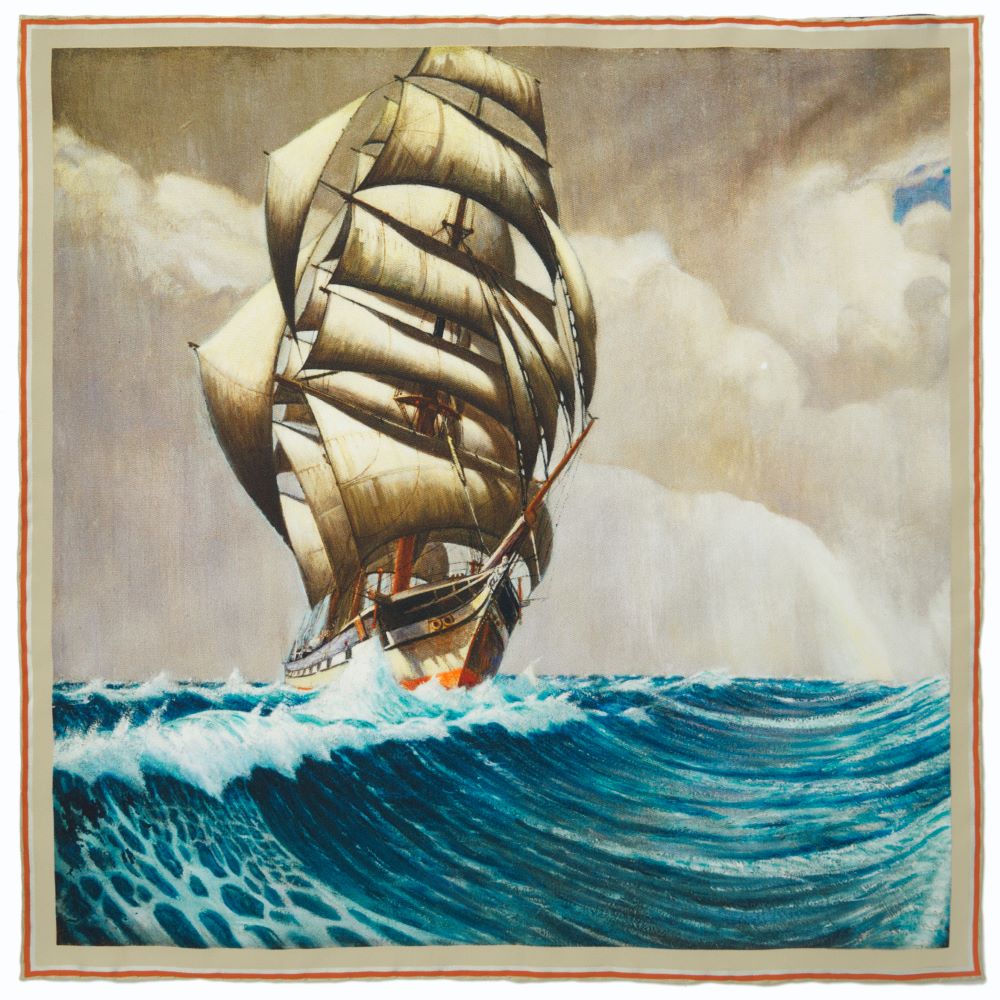 The Iquique Pocket Square
£[Price]
The Iquique Pocket Square
£[Price]
 Paseo a orillas del mar by Joaquin Sorolla Pocket Square
£[Price]
Paseo a orillas del mar by Joaquin Sorolla Pocket Square
£[Price]
For more styling tutorials, subscribe to our channel
Subscribe to Our ChannelThe Case for Getting It Right
Why the Pocket Square Fold Matters More at a Wedding Than Anywhere Else
Most occasions give you some cover. At the office, a pocket square that has shifted slightly reads as lived-in. At a wedding, the photographs see to it that whatever is sitting in your breast pocket at noon will be there in the album in thirty years. There is a reasonable argument, then, for giving the fold a little more thought than usual.
The other thing worth understanding before settling on a fold is that the square itself will do most of the communicating. A fine art silk pocket square printed in Macclesfield, with the colour bleed running almost as crisply through to the reverse as it does on the face, will hold any fold cleanly and show it off properly. A flimsy square will collapse inside ten minutes regardless of how carefully it was arranged at the start of the day. Size matters too: a square of at least 40cm carries enough volume to hold a fold in place through a long afternoon without requiring attention.
The four folds below run from formal to relaxed. The flat fold and the puff fold suit morning suits, black tie, and the more traditional lounge suit wedding. The wave fold and the reverse puff fold suit summer weddings, garden parties, and any occasion where the dress code has a little more air in it.
Formal Folds
The Flat Fold: The Most Precise Pocket Square Fold for a Wedding
The flat fold is the one a tailor would recognise immediately. Clean, deliberate, and showing a thin line of silk above the pocket rather than a flourish, it is the appropriate choice for a morning suit or a very formal lounge suit wedding. It communicates that the wearer knows the rules and has chosen to follow them rather than having had no other ideas.
The square is folded in half, then folded again, adjusting the width to suit the depth of the breast pocket. A consistent strip of silk, roughly half an inch to an inch, sits visible above the welt. There are two options at this point: the border edge of the square, which displays the hand-rolled hem, or the folded edge for a cleaner, more minimal line. Both are correct. The border edge tends to suit squares with a strong design or a prominent hand-rolled finish; the folded edge suits plainer squares or very formal occasions where understatement is the intention.

Formal Folds
The Puff Fold: The Timeless Formal Alternative
The puff fold sits at the opposite end of the formal register from the flat fold. Where the flat fold keeps the square contained, the puff fold lets it breathe: a soft dome of silk above the pocket that catches the light and shows the design without staging it too obviously. It has been the standard formal fold for the better part of a century and shows no signs of retiring.
The mechanics are straightforward. The square is pinched at its centre point, then drawn down through a loose circle made with the thumb and index finger until roughly a quarter remains below the hand. The puff is stretched gently outward to give it volume, and the excess fabric beneath is twisted and tucked away to secure the base. The square sits puff-first in the pocket, with the dome adjusted above the welt until it reads evenly. The finished fold should look effortless rather than engineered. If it looks as though considerable work has gone into it, it has been overdone.

Relaxed Folds
The Wave Fold: The Right Choice for a Summer Wedding
The wave fold sits comfortably between the precision of the flat fold and the looseness of what comes after it. The finished result shows a gentle undulating edge above the pocket: architectural enough to look considered, soft enough to suit a garden wedding in July. It works particularly well with squares that have strong colour or pattern running to the edges, since the wave exposes more of the design than either of the two folds above.
Two diagonally opposite corners are pinched and drawn together to form an even triangle. The far right corner of that triangle is folded across to create a smaller triangle, and the process is repeated. The square is then turned over and a finger placed at the centre of the base folds one edge up into the middle; the same movement on the other side produces a kite shape. Turned over a final time, the wave becomes visible running along the top edge. Once neatened and the sides tucked in, the square goes into the pocket and a finger fans the wave out to the desired width.


Relaxed Folds
The Reverse Puff Fold: For the More Relaxed Wedding
The reverse puff fold is the most informal of the four and the most forgiving. It is essentially the puff fold inverted: the points emerge at the top rather than the dome, giving the square a spikier, more spontaneous appearance that suits a less structured occasion. A country house wedding, an outdoor ceremony, a reception in somebody's garden: this is the natural territory of the reverse puff fold. At a morning suit wedding it looks like a decision that was never quite made.
The process mirrors the standard puff fold up to a point. The square is pinched at its centre and drawn down through a loose circle of thumb and index finger. Where the puff fold leaves the base as-is, the reverse puff twists the lower section and folds it back on itself, away from the body. The points that were at the bottom of the square now emerge at the top. Because this fold carries no fixed structure, the points can be spread wide for a more flamboyant result or drawn together for something closer to a standard puff.


Choosing the Right Square
What to Look for in a Wedding Pocket Square
The fold is only half of it. The square itself determines whether the fold holds, whether the design shows properly, and whether it still looks presentable by the end of a long afternoon.
Size. A square of at least 40cm x 40cm gives enough volume to hold any of the folds above without collapsing into the pocket. Smaller squares work adequately as flat folds but tend to struggle with anything that requires real bulk. The puff, the wave, and the reverse puff all depend on having enough fabric to work with. The Rampley & Co collection runs to 42cm x 42cm on most designs, which is the right side of generous.
Fabric. Silk is the appropriate choice for a formal or semi-formal wedding. It holds a fold, drapes cleanly, and photographs well. The colour bleed on a well-printed silk square runs almost as crisply through to the reverse as it does on the face, which matters when the fold exposes the back of the square. Linen suits an outdoor summer wedding where the atmosphere is relaxed and the dress code is soft. It is slightly less formal than silk and more forgiving of a fold that shifts during the day, though it will not hold a structured fold as reliably through a long evening.
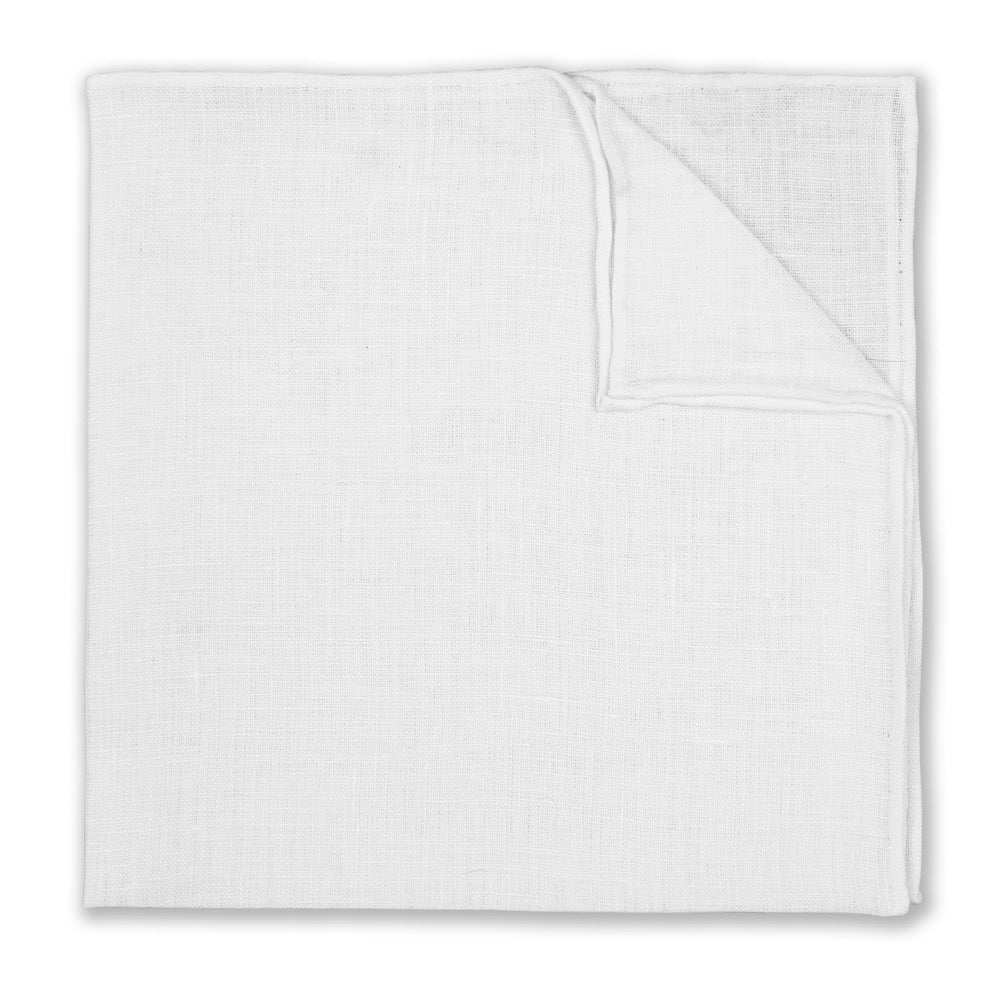
Design. A fine art or pictorial square works best with a fold that shows the central design. The puff fold is the natural choice here, since it displays the image without interrupting it. A square where the interest is in the border rather than the centre is better served by the flat fold or the wave, which keep that border visible above the pocket. A plain white or ivory square remains the most versatile of all and the safest choice for a very formal occasion.
The fold you choose says something about how seriously you are taking the occasion. Choose well, and nobody will notice. Choose carelessly, and several people will.
Dress Code and Fold
Which Pocket Square Fold Suits Which Wedding Dress Code

Wedding dress codes in Britain tend to fall into a handful of categories, and the right fold for each is reasonably consistent. Morning suit calls for a flat fold or puff fold with a white or ivory silk square. Black tie follows the same logic. Lounge suit opens up all four folds depending on the formality of the occasion and the character of the square. Smart casual or garden party dress code is the territory of the wave fold or the reverse puff, with a more colourful or pictorial square to match the atmosphere.
The mistake that appears reliably at weddings is the over-engineered fold: the square pressed into an elaborate construction with the help of a pocket square holder. The results look stiff and manufactured in photographs, and the holder itself becomes visible when the wearer moves. A well-made silk square folded by hand and allowed to sit naturally above the pocket will always read better than a mechanically perfect construction that has never moved and never will.
Wedding Pocket Squares
 Bird Catching Fish Among Reeds by Seitei Pocket Square
£[Price]
Bird Catching Fish Among Reeds by Seitei Pocket Square
£[Price]
 Spring Morning in the Heart of the City by Childe Hassam Pocket Square
£[Price]
Spring Morning in the Heart of the City by Childe Hassam Pocket Square
£[Price]
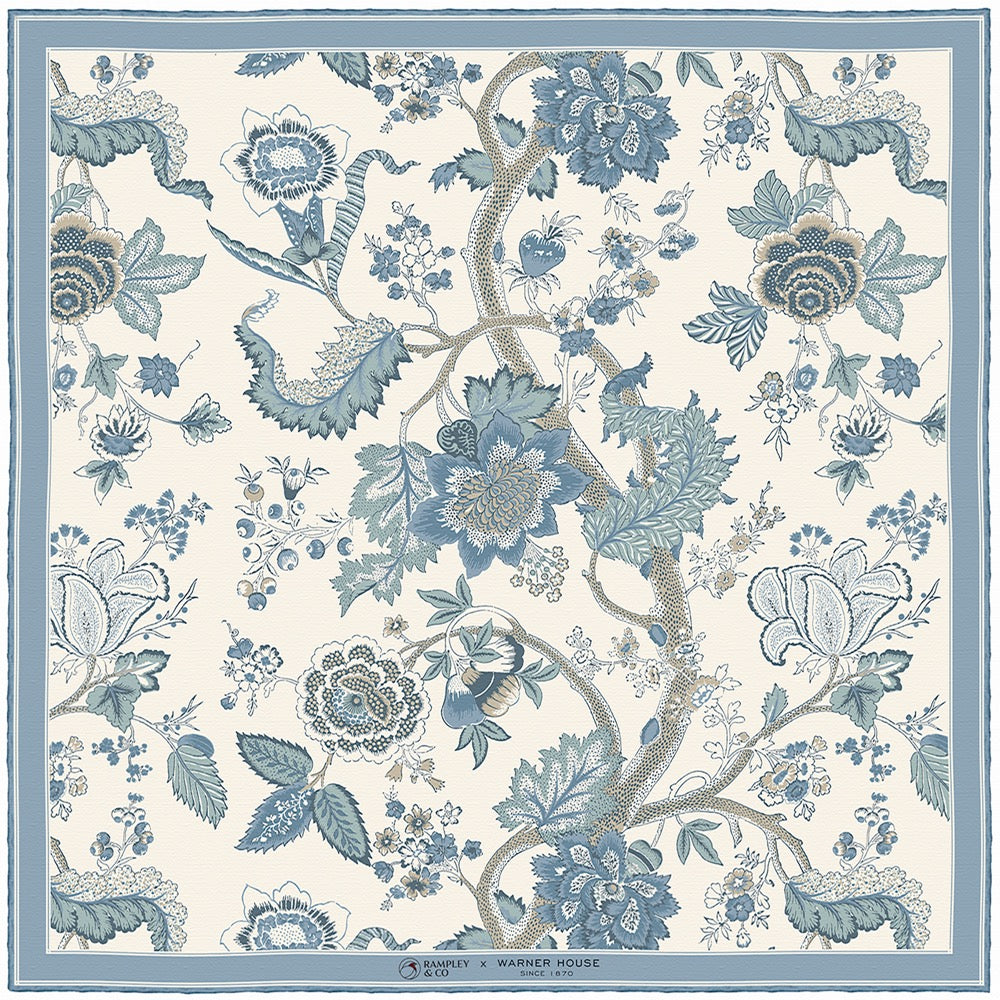 Palampore, Aqua Pocket Square
£[Price]
Palampore, Aqua Pocket Square
£[Price]
 Navy and Sky Blue Spot Pocket Square
£[Price]
Navy and Sky Blue Spot Pocket Square
£[Price]
 La Grenouillere by Monet Pocket Square
£[Price]
La Grenouillere by Monet Pocket Square
£[Price]
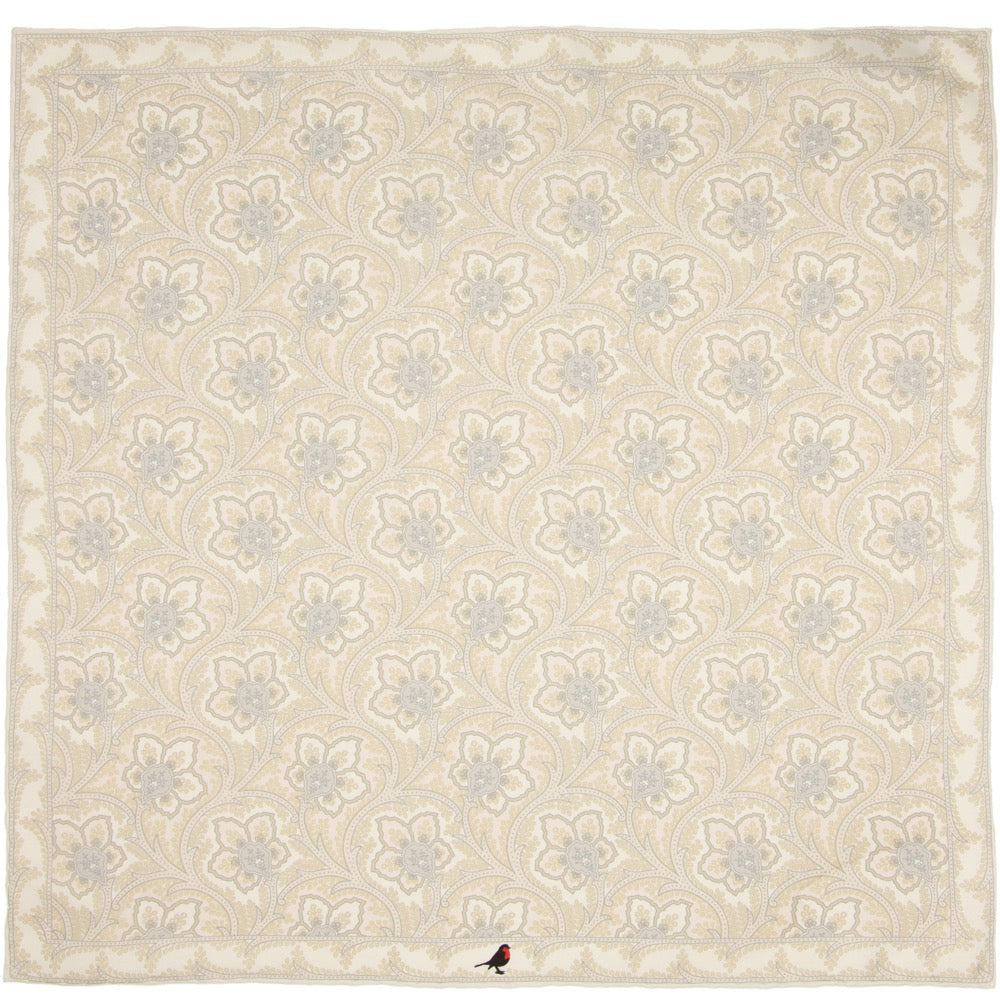 White and Ivory Persian Flower Paisley Pocket Square
£[Price]
White and Ivory Persian Flower Paisley Pocket Square
£[Price]
The Silk Itself
Why Mulberry Silk Makes a Better Pocket Square

The quality of a silk pocket square is not always obvious at first glance, but it becomes apparent within a few minutes of handling one. The weight, the way the fabric falls, the crispness of the printed design, the finish of the hand-rolled edge: these are the details that separate a square worth owning from one that will look tired before the speeches begin.
The Rampley & Co collection uses mulberry silk throughout, printed in Macclesfield, England, an area with over two hundred years of continuous silk printing tradition. The printing process is calibrated so that the colour bleed reaches almost as crisply through to the reverse as it does on the face. This is worth noting: a fold that exposes the back of the square, as the wave fold and the reverse puff fold both do, will show up a poorly printed square immediately. A well-printed one carries the same richness of colour from every angle.
The hand-rolled edge is the final mark of quality. Each square is finished by hand: the edge is turned over with a needle and small stitches are placed approximately half a centimetre apart around the perimeter, creating a raised, supple border that sits slightly proud of the face of the square. On a flat fold, where the border is the element most visible above the pocket, this detail is worth looking for.
Frequently Asked Questions
Your Questions Answered
What is the best pocket square fold for a wedding?
It depends on the formality of the occasion. For a morning suit or black tie wedding, the flat fold or the puff fold are the appropriate choices: both are clean, well-established, and work with a white or ivory silk square. For a lounge suit or smart casual wedding, all four folds are available and a more colourful or pictorial square can be used. For a relaxed summer wedding or garden party, the wave fold or the reverse puff fold suit the atmosphere well and work with bolder designs.
How do you do a puff fold with a pocket square?
The square is pinched at its centre point and drawn down through a loose circle formed by the thumb and index finger until roughly a quarter of the fabric remains below the hand. The puff is stretched gently outward to give it volume, and the excess fabric beneath is twisted and tucked away to secure the base. The square sits puff-first in the breast pocket, with the dome adjusted above the welt until it sits evenly. The finished fold should look effortless rather than over-engineered.
How do you do a flat fold with a pocket square?
The square is folded in half, then folded again until the width suits the depth of the breast pocket. It sits in the pocket so that a consistent strip of silk, roughly half an inch to an inch, is visible above the welt. There are two options at this point: the border edge of the square, which shows the hand-rolled hem, or the folded edge for a cleaner, more minimal line. The flat fold is the most formal of the four and the correct choice for morning suits and very formal occasions.
What size pocket square do you need for a wedding?
A minimum of 40cm x 40cm is needed to hold any fold reliably through a long day. Smaller squares work adequately for a flat fold but tend to collapse inside the pocket during more voluminous folds such as the puff or the wave. The Rampley & Co collection runs to 42cm x 42cm on most designs, which gives enough volume to hold any of the four folds without requiring adjustment during the day.
Should a pocket square match the tie at a wedding?
It should relate to the tie without matching it directly. A pocket square identical to the tie in colour and pattern looks as though it came in a set and tends to flatten an otherwise considered outfit. The better approach is to find a square that picks up one colour from the tie, or introduces a complementary one, while operating in a different design register. A stripe tie pairs well with a pictorial square; a plain or textured tie pairs well with a more patterned or colourful square.
What fabric pocket square is best for a wedding?
Silk is the most appropriate choice for a formal or semi-formal wedding. It holds a fold cleanly, drapes well in the pocket, and photographs with more depth and richness than other fabrics. Mulberry silk in particular has the weight and fineness to show printed designs at their best. Linen is a reasonable alternative for an outdoor summer wedding or a relaxed dress code: it is slightly less formal than silk and has a pleasing texture, but does not hold structured folds as reliably over the course of a long day.